Best Backpacking Routes in British Columbia for Beginners
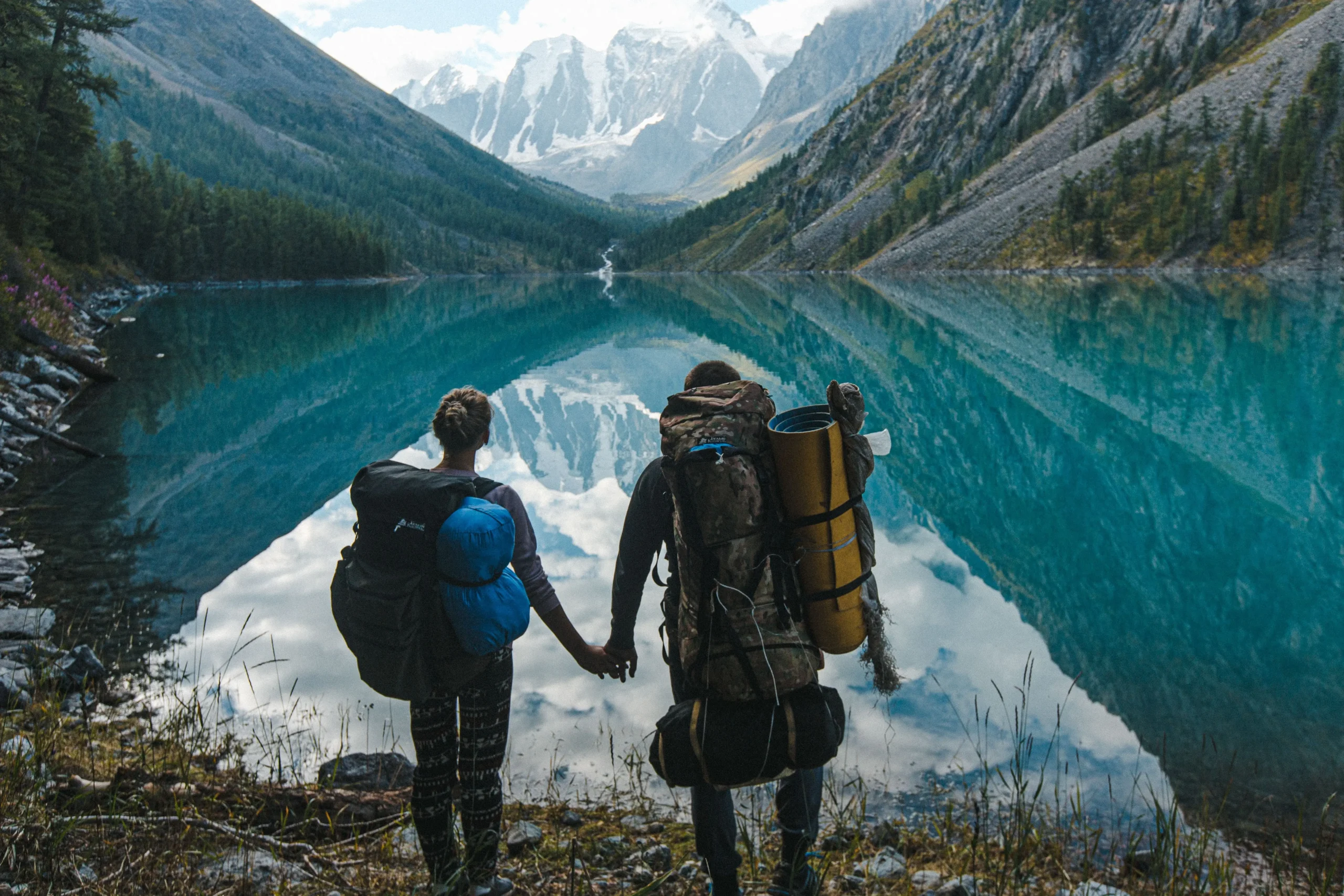
The best night of my backpacking life didn’t come from reaching a summit or covering a lot of distance. It came from pitching a tent partway up a mountainside, next to a river that never stopped moving, and lying there listening to the water while looking straight up at more stars than I knew existed. The wind stayed cool the whole night, just enough to notice, not enough to be uncomfortable. I’ve chased that same combination, moving water nearby and a clear night sky overhead, on every trip since.
British Columbia delivers that combination better than almost anywhere else in Canada, and it does it on trails genuinely manageable for someone who’s never backpacked before. The trick is picking the right route to start with, since not every trail billed as “beginner-friendly” actually deserves the label once you’re a full day in with a loaded pack.
What Makes a Route Beginner-Friendly
A good first backpacking route in BC usually shares a few traits regardless of region. Total distance stays short enough to complete comfortably over one or two nights, typically under 20 kilometers round trip. Elevation gain stays moderate rather than requiring technical scrambling. Water sources appear regularly along the route, cutting down on how much you need to carry at once. And established, well-marked campsites exist along the way, rather than requiring backcountry route-finding to locate a place to sleep.
Permits and registration matter just as much as the trail itself. BC Parks requires either a reservation or a permit registration at most popular backcountry destinations, and the process differs depending on which type applies to your chosen park.
Beginner-Friendly Backpacking Routes in BC
| Route | Park | Distance | Notes |
|---|---|---|---|
| Garibaldi Lake Trail | Garibaldi Provincial Park | 18 km round trip | Turquoise glacial lake, reservation required in peak season |
| Juan de Fuca Trail (East section) | Juan de Fuca Provincial Park | Flexible, shorter sections available | Coastal trail, can be done in shorter segments |
| Elfin Lakes | Garibaldi Provincial Park | 22 km round trip | Shelter available, alpine meadows |
| Buckhorn Camp | E.C. Manning Provincial Park | 10 km round trip | Shorter option, good first overnight trip |
| Grove of Giants | Golden Ears Provincial Park | Varies by trail | Old-growth forest, forested camping options |
You can check current reservation requirements and register directly through the official BC Parks backcountry camping page. Reservation-required parks like Garibaldi and E.C. Manning open bookings up to a few months in advance, and popular routes fill quickly for summer weekends.
💡 Tip: If Garibaldi Lake is fully booked for your dates, check E.C. Manning’s Buckhorn Camp instead. It’s shorter, less competitive to book, and still delivers the kind of alpine scenery that makes a first backpacking trip memorable.
Choosing Between Reservations and Permit Registration
BC Parks splits its backcountry system into two categories, and mixing them up leads to real problems on trip day. Reservation-required parks, including Garibaldi, E.C. Manning, Cathedral, Joffre Lakes, and Mount Assiniboine, guarantee you a specific site once booked. Permit registration, used at many other parks, doesn’t reserve a spot but still requires payment and registration, typically on a first-come, first-served basis.
Confirm which system applies to your chosen route before you assume you’re covered. Showing up at a reservation-required park without a booking during peak season usually means turning around, since these campgrounds don’t allow overflow camping the way permit-registration parks sometimes do.
Water and River Camping Done Right
Camping near a water source solves the practical problem of carrying less weight, but it also tends to produce the best nights of a trip. Moving water creates a steady, low background sound that makes falling asleep easier, and river valleys often provide a bit of a wind break compared to fully exposed ridgelines.
That said, water sources near a campsite come with their own considerations. Always camp a reasonable distance back from the water’s edge, both for your own safety if water levels rise overnight and to protect the riparian habitat that a lot of BC’s wildlife depends on. Filter or treat all water regardless of how clear it looks, since giardia and other contaminants show up even in seemingly pristine mountain streams.
What Nights Are Actually Like
Above the treeline or partway up an exposed slope, BC’s mountain nights offer some of the clearest stargazing in the province, particularly away from the Lower Mainland’s light pollution. Temperatures drop faster than daytime warmth suggests once the sun goes down, especially at elevation, so packing for genuinely cold nights matters even during a summer trip.
Wind behaves differently depending on where exactly you pitch your tent. A site with some natural shelter, whether that’s trees, a rock formation, or simply lower ground than the surrounding ridgeline, tends to stay noticeably calmer than fully exposed alpine terrain. If a clear night and good stargazing matter to you, look for a site that balances some shelter with an open enough view of the sky.
⚠️ Heads up: Mountain weather in BC’s backcountry can shift quickly regardless of the forecast. Check current conditions through BC Parks before you go, and pack a rain layer even if the forecast looks clear for your entire trip.
What to Pack for a First Trip
Beyond the standard backpacking basics (tent, sleeping bag, stove, water filter), a few things matter more for a first BC backcountry trip specifically. A bear canister or approved food storage method, since black bears and grizzlies live throughout most of BC’s backcountry parks and proper storage is often required, not optional. Trekking poles help considerably on the steeper, rockier sections common to BC’s mountain trails, even on routes labeled as beginner-friendly.
Layered clothing matters more here than in a lot of other regions, given how much temperatures swing between a sunny afternoon climb and a cold, clear night at elevation. A physical map and compass, not just a phone app, since cell coverage disappears quickly once you’re a few kilometers into most of these routes.
Building Confidence Before You Go Bigger
Starting with a shorter route like Buckhorn Camp or a partial section of the Juan de Fuca Trail lets you test your gear, your pack weight, and your own pace without committing to a longer, more remote trip right away. Once you’ve got one or two shorter trips under your belt, routes like the full Garibaldi Lake trail or Elfin Lakes make a natural next step, offering more distance and a bigger scenic payoff without jumping straight into truly remote, multi-day wilderness terrain.
Getting There
Most of the beginner-friendly routes on this list sit within two to three hours of Vancouver, which keeps them realistic for a weekend trip even without extensive vacation time. Garibaldi and Golden Ears both fall close enough for an early-morning departure and a same-day trailhead start. E.C. Manning sits a bit further east, closer to three hours, but the drive itself passes through scenic mountain terrain that makes the trip out part of the experience.
Final Thoughts
Backpacking in British Columbia for the first time doesn’t need to mean a multi-day wilderness epic. Start with a shorter, well-established route, confirm whether your chosen park needs a reservation or a permit registration, and pick a site near water if a good night’s sleep with a view of the stars matters to you as much as it does to me. The bigger routes will still be there once you’re ready for them.
If you’re planning trips elsewhere in Canada, check out our guides to camping with kids in Ontario, camping in Manitoba’s provincial parks, and camping in New Brunswick.