Camping with Kids in Ontario: Easiest Sites to Start With
Kids remember camping trips differently than adults do. Ask them afterward what stood out, and it’s rarely the scenery. It’s the campfire, the marshmallows that caught fire on purpose, the lake they swam in every single day, and the general strangeness of eating dinner outside and sleeping somewhere that isn’t their own room.
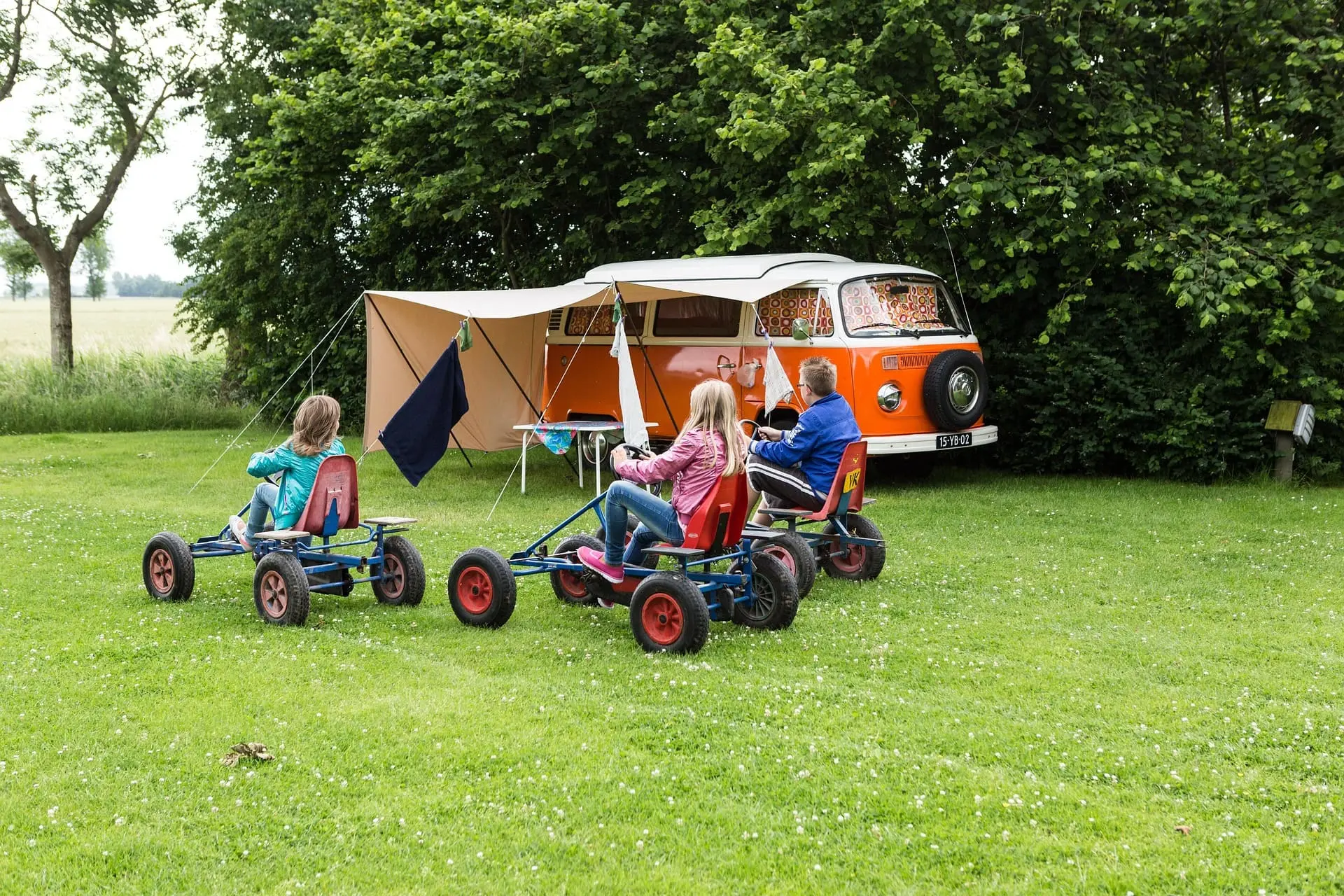
We brought a trailer on our own trips, and it made a bigger difference than I expected going in. A real bed, a dry place to escape the bugs, and enough comfort that nobody’s first camping memory got wrecked by a miserable, rainy night in a tent. We spent our days swimming and boating on a nearby lake and our evenings around the fire, and looking back, that simple rhythm, water during the day and fire at night, did more to make the trip work than any specific park amenity did.
If you’re planning a first camping trip with kids in Ontario, that same rhythm is worth building your whole plan around.
What Actually Makes a Park Easy for Kids
Not every provincial park suits a family trip equally well, and the difference usually comes down to a few practical things rather than the scenery. Lake access matters more than almost anything else, ideally a beach with a gradual entry rather than a rocky drop-off. Short, flat trails help too, since a “family hike” that turns into carrying a tired six-year-old for an hour stops being fun for anyone. Washroom and shower access within a reasonable walk matters more with kids than it does for adults, and a general store nearby covers the inevitable forgotten item.
Easy Ontario Parks for Camping with Kids
| Park | Best For | Trailer/RV Friendly | Notes |
|---|---|---|---|
| Sandbanks Provincial Park | Beach days | Yes | Compact layout, easy to navigate with kids |
| Bon Echo Provincial Park | Swimming, families | Yes | Granite cliffs over Mazinaw Lake, playground on-site |
| Pinery Provincial Park | Beach access | Yes | Sandy Lake Huron shoreline, marked trails |
| Awenda Provincial Park | Quiet beaches | Yes | Georgian Bay access, less crowded than Wasaga area |
| Sibbald Point Provincial Park | Close to Toronto | Yes | Lake Simcoe access, good for shorter trips |
You can check current availability and book directly through the official Ontario Parks reservation system. Reservations open five months in advance, and family-friendly sites with lake access tend to disappear fastest for summer weekends.
💡 Tip: If you’re bringing a trailer for the first time, call ahead or check the site listing carefully for length restrictions and pull-through versus back-in sites. Not every “trailer-friendly” site accommodates every trailer size, and finding this out at check-in rather than during booking makes for a stressful start to the trip.
Why a Trailer Changed Things for Us
Tent camping with kids works fine for a lot of families, but the trailer removed a few of the biggest stress points for us specifically. A dry, enclosed space meant a sudden rain shower didn’t end the trip early. A real mattress meant nobody woke up sore or cranky from a thin sleeping pad. And having a door that actually closes made bedtime routines feel closer to normal, which mattered more than I expected with younger kids who don’t adjust to new environments quickly.
That said, a trailer isn’t a requirement for an easy trip. Plenty of the parks on this list work well for tent camping too, especially if you pick a site close to washrooms and invest in a proper sleeping pad. The trailer just removed some of the friction for us, and it’s worth considering if a rough first night is a real risk for your family.
Days by the Water, Nights by the Fire
The simplest structure worked the best for us: mornings and afternoons at the lake, swimming and taking turns on the boat, then dinner and a fire once things cooled down in the evening. Kids don’t need a packed itinerary to have a good time camping. A lake to swim in and a fire to sit around covered most of what our kids actually wanted from the trip.
If boating is part of your plan, check which Ontario parks allow motorized boats versus paddle-only lakes before you go, since this varies significantly by park and even by specific lake within a park. Quieter, paddle-only lakes tend to suit younger kids better anyway, since the water stays calmer and the swimming areas feel less chaotic.
Campfires deserve a bit of extra thought with young kids around. Keep a consistent boundary line they understand (a specific log or rock ring works well as a visual marker), and have a water bucket within reach before you light anything, not as an afterthought. Marshmallow roasting sticks with a wide handle guard help avoid burned little fingers more than the standard thin metal skewers do.
⚠️ Heads up: Check the campfire ban status before your trip, especially during dry summer stretches. Ontario Parks posts current fire ban information for each park, and a trip planned entirely around evening campfires needs a backup plan (a lantern-lit evening still works fine) if a ban is in effect when you arrive.
Packing for a Family Trip
Beyond your standard camping gear, a few things matter more specifically with kids along. Life jackets sized correctly for each child, checked before you leave rather than assumed to still fit from last year. A first-aid kit stocked for kid-specific issues: bug bites, small cuts from bare feet on gravel, and sunburn treatment beyond just prevention.
Bring more snacks than feels necessary. Kids burn through energy faster when they’re swimming and running around all day, and a hungry, tired kid at 4 p.m. tends to derail an otherwise good afternoon fast. A few familiar comfort items from home, a specific stuffed animal or blanket, help smooth over the strangeness of sleeping somewhere unfamiliar, particularly for younger kids on their first trip.
Bug Protection Still Matters
Ontario’s provincial parks come with the same blackfly and mosquito realities regardless of whether you’re camping with kids or without them, and kids tend to notice and react to bug bites more than adults do. DEET-based repellent applied consistently, particularly around dawn and dusk, makes a real difference. A screen tent or bug shelter over a picnic table area helps a lot too, especially for dinner, when nobody wants to eat while swatting.
Choosing Between Peak Season and Shoulder Season
Late June through August gives you the warmest lake water, which matters if swimming is the centerpiece of your trip the way it was for ours. It also brings the biggest crowds and the highest demand on reservations. Early June or early September can work well for families with more schedule flexibility, offering quieter campgrounds and easier bookings, though water temperatures run cooler and swimming windows shorten somewhat.
If your kids are young enough that nap schedules or bedtime routines matter, a quieter shoulder-season trip at a smaller park often works better than fighting crowds at a popular July weekend destination.
Final Thoughts
Camping with kids in Ontario doesn’t need to be complicated. Pick a park with easy lake access and a short walk to the washroom, plan your days around swimming and your evenings around a fire, and don’t overthink the rest. Whether you’re in a trailer or a tent, that simple rhythm of water during the day and fire at night tends to be exactly what makes a camping trip stick as a good childhood memory.
If you’re planning trips elsewhere in Canada, check out our guides to camping in Nova Scotia’s coastal parks, pet-friendly campgrounds in Saskatchewan, and winter camping in the Canadian Rockies.