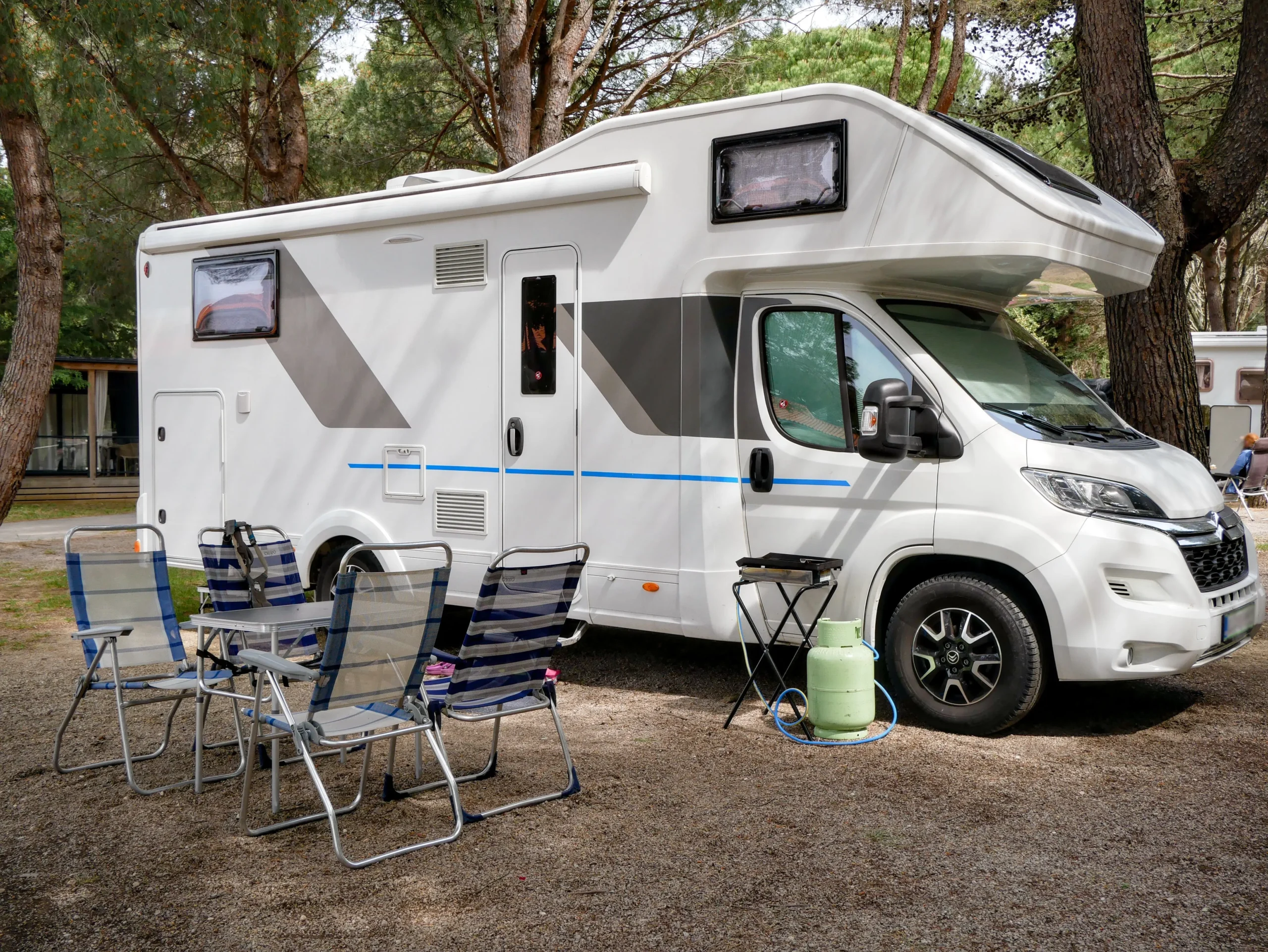
RV vs Tent Camping in Canada: Which One Actually Fits You
I’ve spent years doing both. Tent camping came first, then years of RV camping after that. This post pulls together what I actually learned switching between the two, not just a theoretical list of pros and cons.
What Changed for Me With RV Camping
The trailer meant I could park, hook up, and start relaxing almost immediately. No lengthy setup process, no gear spread across the site while I figured out poles and stakes. That alone changed how a trip felt from the first hour.
Summer heat stopped being a problem once I could run air conditioning. Cold nights got easier too, since a heater kept the trailer comfortable instead of relying on layers and a sleeping bag rating. A proper shower meant not planning the day around finding a campground washroom. Cooking became simple, real meals instead of the more limited setup a camp stove allows.
💡 Tip: If comfort and simplicity matter most to your trips, prioritize a trailer with both air conditioning and a working furnace. Together they cover the widest range of Canadian camping seasons.
Why This Matters More As You Get Older
Something changed for me beyond simple convenience. Pitching a tent takes real physical effort. Kneeling, hauling gear, wrestling with stakes in hard ground. That effort felt manageable years ago. It’s become genuinely harder as I’ve gotten older, and that’s not something most comparison articles mention.
Age isn’t a small factor in this decision. A trailer removes a whole category of physical strain from a trip. You don’t notice how much tent setup demands from your body until an easier option shows you the difference.
What Tent Camping Still Does Better
I’m not going to pretend tent camping has no advantages, because it genuinely does.
Cost Is the Biggest Difference
A quality tent, sleeping bags, and basic gear can come in well under a thousand dollars total. A trailer represents a much bigger investment, often tens of thousands of dollars before you’ve spent a single night in it. Ongoing costs differ too. Tent sites typically run cheaper than sites with hookups, and a trailer adds fuel, maintenance, insurance, and storage costs a tent never asks for.
Access to Remote Locations
Tents pack into a car trunk or a backpack, which opens up campsites a trailer simply can’t reach. Backcountry sites, narrow forest roads, spots without any RV infrastructure at all. If remote access matters more to your trips than comfort, a tent keeps far more locations available to you.
A Closer Connection to the Outdoors
There’s something to the argument that tent camping puts less distance between you and the environment. You hear the rain directly, feel the temperature shift overnight, wake up without walls and climate control buffering the experience. Some campers genuinely prefer that immersion, and I understand the appeal even if it’s no longer what I choose most often.
A Side-by-Side Comparison
| Factor | RV/Trailer | Tent |
|---|---|---|
| Setup effort | Minimal, park and hook up | Significant, especially solo |
| Physical demand | Low | Moderate to high |
| Weather protection | Full climate control | Dependent on gear quality |
| Upfront cost | High, often tens of thousands | Low, a few hundred dollars |
| Site access | Limited to RV-accessible sites | Broader, including remote sites |
| Site cost per night | Higher, especially with hookups | Lower, especially primitive sites |
| Best for | Comfort-focused trips, aging campers, longer stays | Budget trips, remote access, minimal storage |
Where the Real Decision Point Is
After years doing both, I don’t think this comes down to which style is objectively better. It comes down to what a specific trip actually needs.
When I’d Still Choose a Tent
If cost is the deciding factor, or if I wanted to reach a genuinely remote site a trailer couldn’t access, tent camping still makes sense. It also makes sense for a single overnight trip where the setup effort is worth trading for lower cost and more location freedom.
When the Trailer Wins for Me Now
For anything longer than a couple of nights, or any trip where comfort actually matters to how much I enjoy it, the trailer wins without much debate. Climate control alone changes how a trip feels in both July heat and a cold September night. Add in the physical ease of setup, and the case gets stronger every year.
⚠️ Heads up: Don’t assume a trailer automatically makes a trip easier. Towing adds its own learning curve, from matching trailer weight to your vehicle to booking sites that can actually fit your rig. It trades tent-setup effort for a different kind of preparation, not zero effort.
What I’d Tell Someone Just Starting Out
If you’re new to camping altogether, starting with a tent still makes sense to me, even knowing where I’ve ended up. It’s cheaper, it teaches you what you actually enjoy about being outdoors, and it doesn’t require the bigger commitment a trailer purchase involves. Plenty of campers move from tent to RV as their priorities shift, the same way mine did.
If physical strain, weather protection, or trip length are already pushing you toward more comfort, though, there’s no reason to force yourself through years of tent camping first. According to one detailed comparison of RV camping and traditional tent camping, the choice mostly comes down to whether you prioritize comfort and convenience or a lower-cost, more immersive experience. That framing matches what years of doing both taught me directly.
Final Thoughts
Tent camping and RV camping aren’t really competing for the same trip. They serve different priorities, and those priorities can shift over time, sometimes because of budget, sometimes because of the destination, and sometimes simply because your body wants something different than it did a decade ago. I don’t think less of my years tent camping, and I don’t feel guilty about preferring the trailer now. Both got me outside, which was always the actual point.
If you’re weighing a family trip and want somewhere comfortable to start, our guide to family-friendly campgrounds in British Columbia works for either style. For a quieter province with fewer crowds, our guide to Manitoba’s provincial parks is worth a look. And if you’re leaning toward the trailer side of this decision, our guide to booking RV sites in Canada covers what to expect once you’ve made the choice.
Whichever way you camp, the goal stays the same. Get outside, however that looks for you this season.