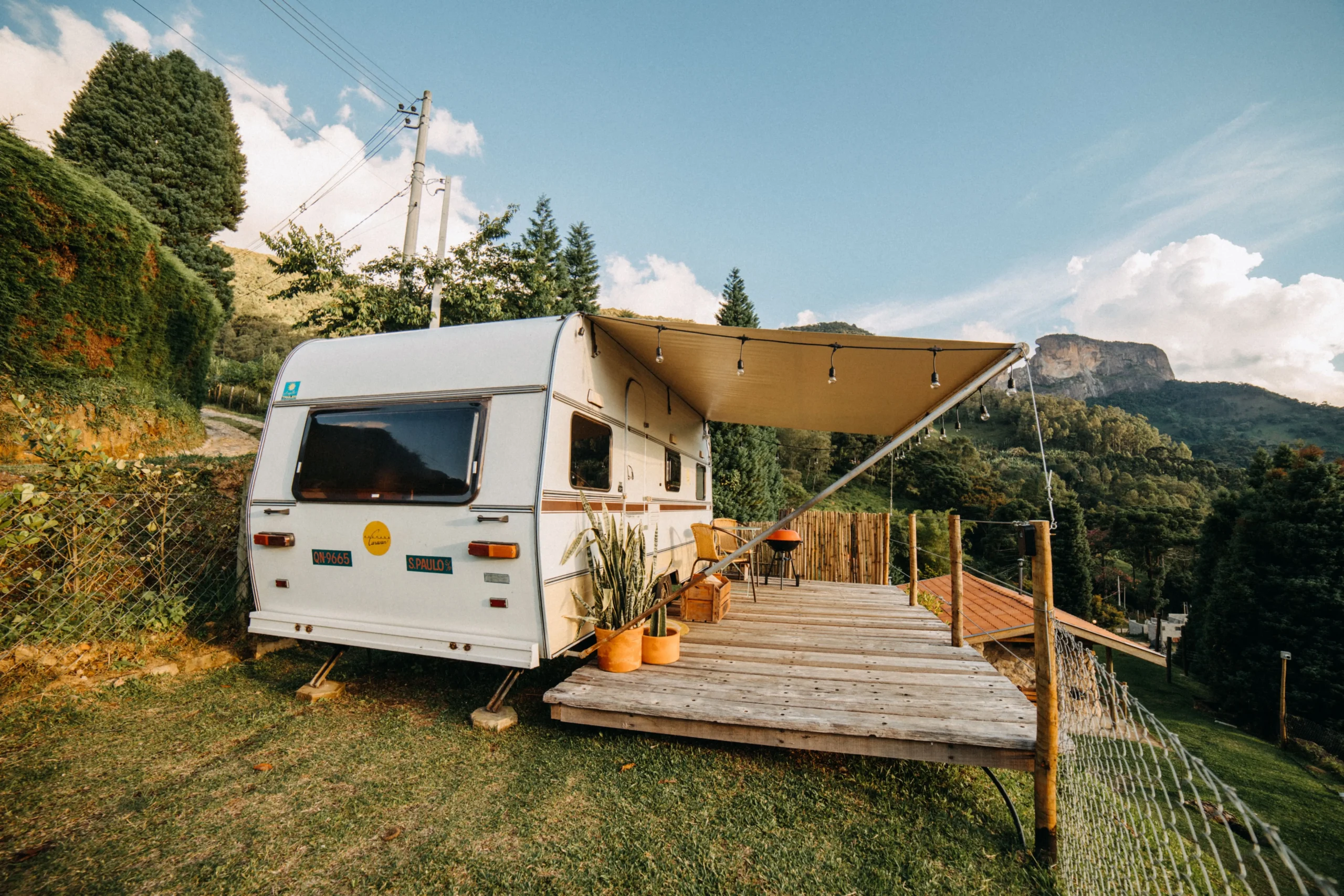
Camping Budget Breakdown: What a Week Actually Costs in Canada
Fuel is where my camping budget actually goes. Every trip, I brace myself for it. Towing a trailer behind my truck eats gas at a rate that regular driving never comes close to. By the time we get home, fuel is almost always the single biggest line item on the trip.
Why Fuel Dominates the Budget
Towing changes fuel economy more than most people expect before they’ve actually done it. A half-ton truck pulling a travel trailer typically drops to somewhere around 12 miles per gallon. Heavier trailers behind a one-ton truck can fall to 9 or 10. That’s a real difference from unloaded highway driving. Towing can reduce fuel economy by 20 to 40 percent, depending on trailer size and aerodynamics.
Gas in Canada averages around $1.73 per litre. A round trip of a few hundred kilometres towing a trailer adds up fast. A 600-kilometre round trip at a towing rate of roughly 20 litres per 100 kilometres costs about $207 in fuel alone. That’s before a single night of camping fees gets added.
💡 Tip: Calculate your specific truck and trailer’s towing fuel economy before budgeting a trip, not after. Guessing based on your truck’s unloaded rating almost always underestimates the real cost.
Where Trailer Camping Actually Saves Money
Despite the fuel cost, I’ve come to see trailer camping as the cheaper option overall. It comes down to what’s included once you’re actually at the site.
Water and Power Come Free With a Good Booking
Book the right site, and water and electricity are simply included in the site fee. No separate charge for either one, no meter to watch. That’s a real cost advantage over any option where those utilities get billed separately or bundled into a much higher nightly rate.
Comparing to Renting a Cabin or Yurt
The comparison that made this click for me was pricing out a rustic cabin or yurt rental instead of bringing my own trailer. Ontario Parks’ own guide to yurt and cabin camping confirms something I learned the hard way: most yurts and cabins don’t have running water inside, and cooking indoors usually isn’t even permitted. Rental rates typically run somewhere between $65 and $100 or more per night.
⚠️ Heads up: A cabin or yurt rental looks appealingly simple on paper. Factor in what’s actually included first. No indoor water, no indoor cooking, and often a multi-night minimum stay changes the real value quickly.
Bringing my own trailer means I already own the equivalent of that cabin. The ongoing cost per trip is just the site fee itself, plus whatever fuel it took to get there. Over several trips a year, that ownership cost spreads out and starts looking like real savings compared to paying full rental rates every single visit.
A Realistic Week-Long Budget Breakdown
Here’s roughly how a week-long trailer camping trip breaks down for a family, based on the categories that actually show up on a real trip.
| Category | Estimated Cost (7 nights) | Notes |
|---|---|---|
| Fuel (round trip, towing) | $200–$400 | Varies heavily with distance and trailer weight |
| Campsite fees | $210–$490 | $30–$70/night depending on province and hookups |
| Food and groceries | $150–$250 | Lower with pre-prepped meals, higher eating out |
| Firewood | $40–$70 | $10–$15 per bundle at most provincial parks |
| Propane/fuel for cooking | $20–$40 | Refills for stove or trailer furnace |
| Miscellaneous (ice, activities, permits) | $50–$100 | Day-use fees, park permits, extras |
| Total (approximate) | $670–$1,350 | Excludes gear ownership or trailer payments |
Why the Range Is So Wide
Distance drives most of the variation here. A trip a couple of hours from home costs dramatically less in fuel than one requiring a full day of driving each way. Site fees vary by province too. National parks and busier provincial parks often cost more than smaller, less-visited campgrounds.
What Tent Camping Changes About This Math
Tent camping removes the fuel penalty of towing almost entirely, since a loaded car burns close to its normal fuel economy. That shift often puts a week-long tent trip well under $500 once fuel savings get factored in. The trade-off is giving up the comfort a trailer provides, along with the free water and power that comes with a proper hookup site.
Ways We’ve Actually Cut Costs
A few habits have made a real difference in what our trips cost without cutting into how much we enjoy them.
Choosing Government-Run Campgrounds First
Provincial and national park campgrounds consistently run cheaper than private RV resorts, while still offering hookups at many sites. That price gap alone often outweighs the extra amenities a private resort advertises.
Prepping Food Before the Trip
Meals prepped and frozen at home cut down on both cooking time at the site and the temptation to eat out when everyone’s tired at the end of a driving day. It’s a smaller line item than fuel, but it adds up over a full week.
Splitting Longer Trips Into Shorter Legs
Breaking a longer drive into two shorter days with an overnight stop reduces the temptation to blast the AC and push through exhaustion. Both of those habits hurt fuel economy more than steady, moderate driving does.
Is It Worth the Cost?
A week-long trip can still total $1,000 or more. That total often comes in under what a week at a hotel or resort would cost for a family our size, especially once meals get factored into that comparison too. The fuel cost stings every single time I fill up mid-trip. It’s also predictable, and predictable costs are easier to budget around than the variable expenses that come with almost any other kind of vacation.
Final Thoughts
Fuel will always be the number that makes me wince most on a trip. It’s also the cost that makes the most sense once I look at what we’re actually getting for it. Free water, free power, and a site fee that beats renting an equivalent cabin outright, all for the price of gas to get there and back.
If you’re trying to get your first towing trip budgeted properly, our guide to matching trailer weight to your vehicle is worth reading before you commit to a route. Our guide to booking RV sites in Canada covers how to find sites with the hookups that make this math work in your favour. Our summer gear checklist helps make sure you’re not buying anything twice once you’re at the site.
Whatever your trip looks like, knowing the real numbers ahead of time beats guessing every time. Budget for the fuel first. Everything else tends to fall into place around it.