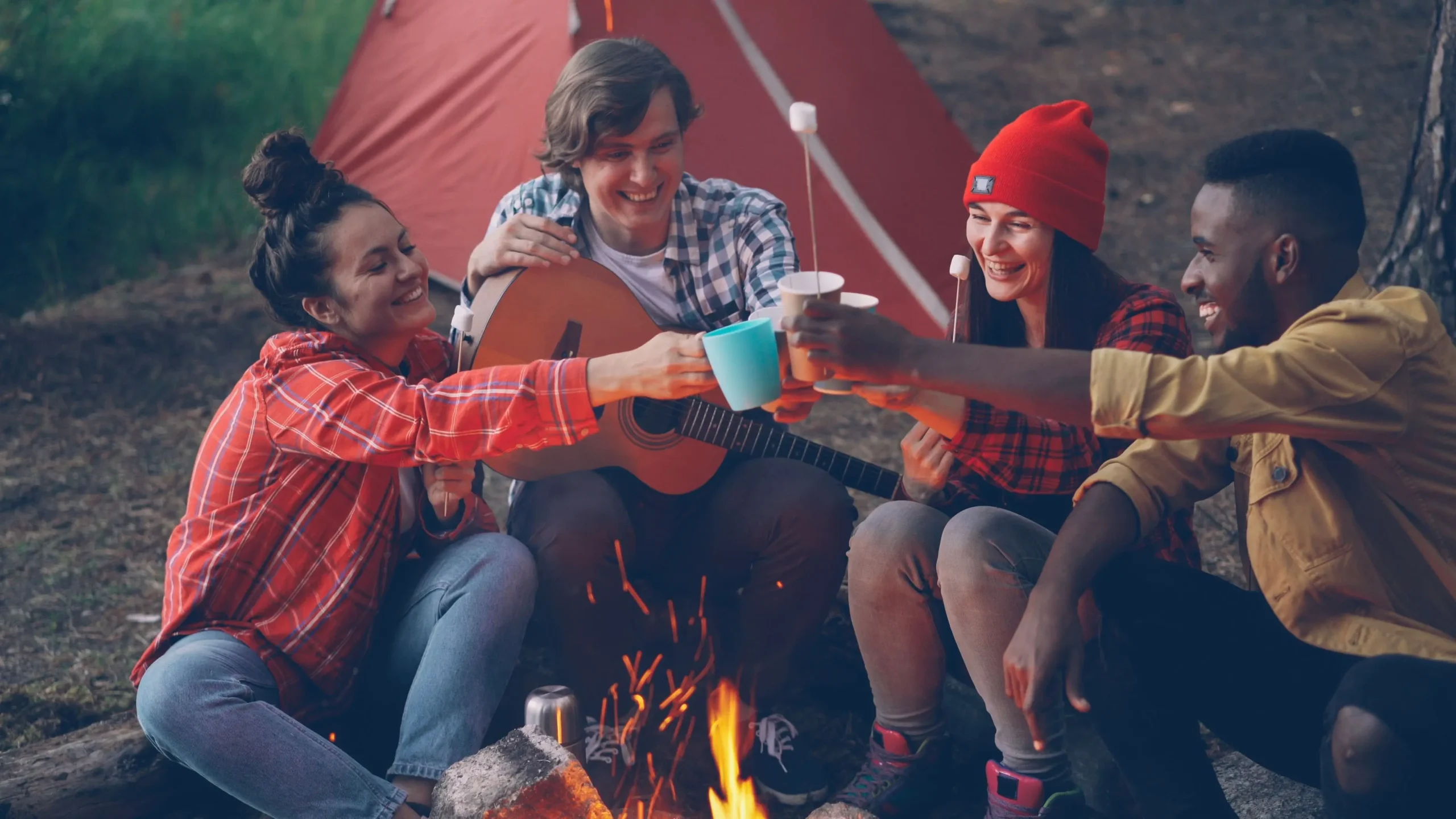
Group Camping in Canada: Planning a Trip for Multiple Families
A few years back, I went camping with a group from my church. We set up together, cooked together, and spent a good chunk of the trip exploring nearby attractions as one big group instead of splitting off separately. It remains one of my favourite camping memories, and it taught me that group camping in Canada takes a different kind of planning than a solo family trip.
Why Group Camping in Canada Feels Different
A single family trip mostly comes down to picking a site and packing the car. Group camping in Canada adds a layer most people don’t think about until they’re deep into planning. Site capacity limits, coordination between families, and figuring out what activities actually work for a mixed group of adults and kids all become real logistics problems, not afterthoughts.
That church trip worked so well because someone took the time to sort these details out ahead of time. We weren’t scrambling to figure out where everyone would sleep or what we’d do each day once we arrived.
💡 Tip: Assign one person as the point of contact for bookings and communication. Group trips fall apart fastest when three different people are each assuming someone else handled the reservation.
Understanding Site Capacity Rules
This is the part that catches people off guard most often. Most Ontario provincial parks cap a single campsite at six people, unless everyone belongs to one family of parents and their children. A group larger than that needs either multiple adjacent sites or a dedicated group camping area.
Regular Sites vs. Dedicated Group Sites
Group camping areas exist specifically for larger parties. At Emily Provincial Park, for example, designated group sites accommodate anywhere from 20 to 50 people depending on the site, well beyond what a standard campsite allows. These areas typically come with shared amenities like larger fire pits and picnic areas built for a crowd, rather than the single-family setup of a regular site.
Booking Multiple Adjacent Sites Instead
If a dedicated group area doesn’t fit your trip, booking several regular sites next to each other works too. This takes more coordination since you’re managing multiple reservations, but it gives families more privacy at night while still keeping everyone close during the day. Confirm with the park ahead of time which sites sit close together, since site numbers don’t always reflect actual proximity on the ground.
⚠️ Heads up: Reservation systems don’t guarantee adjacent sites automatically. Call the park directly or check a site map before booking multiple spots for one group.
What Made Our Church Trip Work
Looking back, a few things made that trip genuinely enjoyable rather than just logistically survivable.
Splitting Responsibilities Early
Nobody cooked for their own family alone the whole trip. Meals got divided among households, so each family handled one or two meals for the whole group instead of everyone managing their own cooking separately. This cut down on both the workload and the amount of gear everyone needed to bring.
Building in Group Activities
We didn’t just camp together. We drove out to nearby attractions as a group too, which turned the trip into something bigger than a shared campsite. Kids had built-in playmates the entire time, and the adults got actual conversations in instead of just parenting solo at a picnic table.
Keeping a Loose but Real Schedule
Nobody wanted a rigid itinerary, but having a rough plan for each day, when we’d eat, when we’d head out to explore, when we’d wind down at the fire, kept the trip from feeling chaotic with that many people involved.
Practical Tips for Planning Your Own Group Trip
If you’re organizing something similar, here’s what I’d focus on based on what worked and what I’d do differently.
Confirm Group Size Rules Before Booking
Check the specific park’s capacity rules before you get attached to a site. According to Ontario Parks’ official reservation rules, no more than six people can occupy a standard campsite unless they’re a single family, and reservations open five months before arrival. If your group exceeds that, you’ll need a group site or multiple sites from the start of your planning, not as a last-minute fix.
Communicate Meal and Gear Plans Ahead of Time
Decide who’s bringing what before anyone packs. Duplicate gear wastes trunk space, and gaps in the plan, nobody bringing a first aid kit, for example, show up at the worst possible time.
Plan for a Range of Ages and Energy Levels
A group made up of multiple families usually spans a wide age range. Build in activities that work for both toddlers and teenagers, and don’t assume every family wants the same pace of activity every day. Giving people permission to opt out of an excursion without it feeling like a big deal keeps the trip relaxed instead of obligatory.
Set Quiet Hours Expectations Early
Kids running around a campsite until 11pm might be fine for one family and genuinely stressful for another. A quick conversation before the trip about bedtime expectations avoids awkward tension once you’re actually there.
A Simple Group Camping Checklist
| Task | Who Handles It |
|---|---|
| Book sites (group site or adjacent regular sites) | One designated organizer |
| Confirm park’s group size and site rules | Organizer, before booking |
| Assign meals to specific families | Shared, decided in advance |
| Plan 1-2 group activities or nearby attractions | Shared or organizer |
| Share quiet hours and schedule expectations | Organizer, communicated to all |
| Confirm parking and vehicle limits per site | Organizer, based on park rules |
When a Group Trip Might Not Be the Right Fit
Not every trip benefits from a crowd. If your goal is quiet and solitude, adding four other families works against that from the start. Group camping shines specifically because of the social element, shared meals, kids playing together, adults getting a real break from solo parenting duties. If that’s not what you’re after this particular weekend, a smaller trip probably serves you better.
Final Thoughts
That church camping trip stuck with me because it didn’t feel like five separate families who happened to camp near each other. It felt like one trip, shared. Getting there took a bit more planning than a typical family weekend, confirming site rules, splitting up meals, deciding on activities everyone could enjoy, but none of it was complicated once someone took charge of the details.
If you’re planning a coastal group trip, our guide to Nova Scotia’s coastal parks has some good options for a larger group looking for scenery. For something more off the beaten path, our New Brunswick guide covers a few underrated spots. And whatever the group size, our summer gear checklist is worth reviewing together before anyone starts packing.
Whether it’s a church group, extended family, or a handful of friend families, the same idea holds. A little coordination upfront turns a group trip into a genuinely good one instead of just a bigger, more complicated version of camping alone.