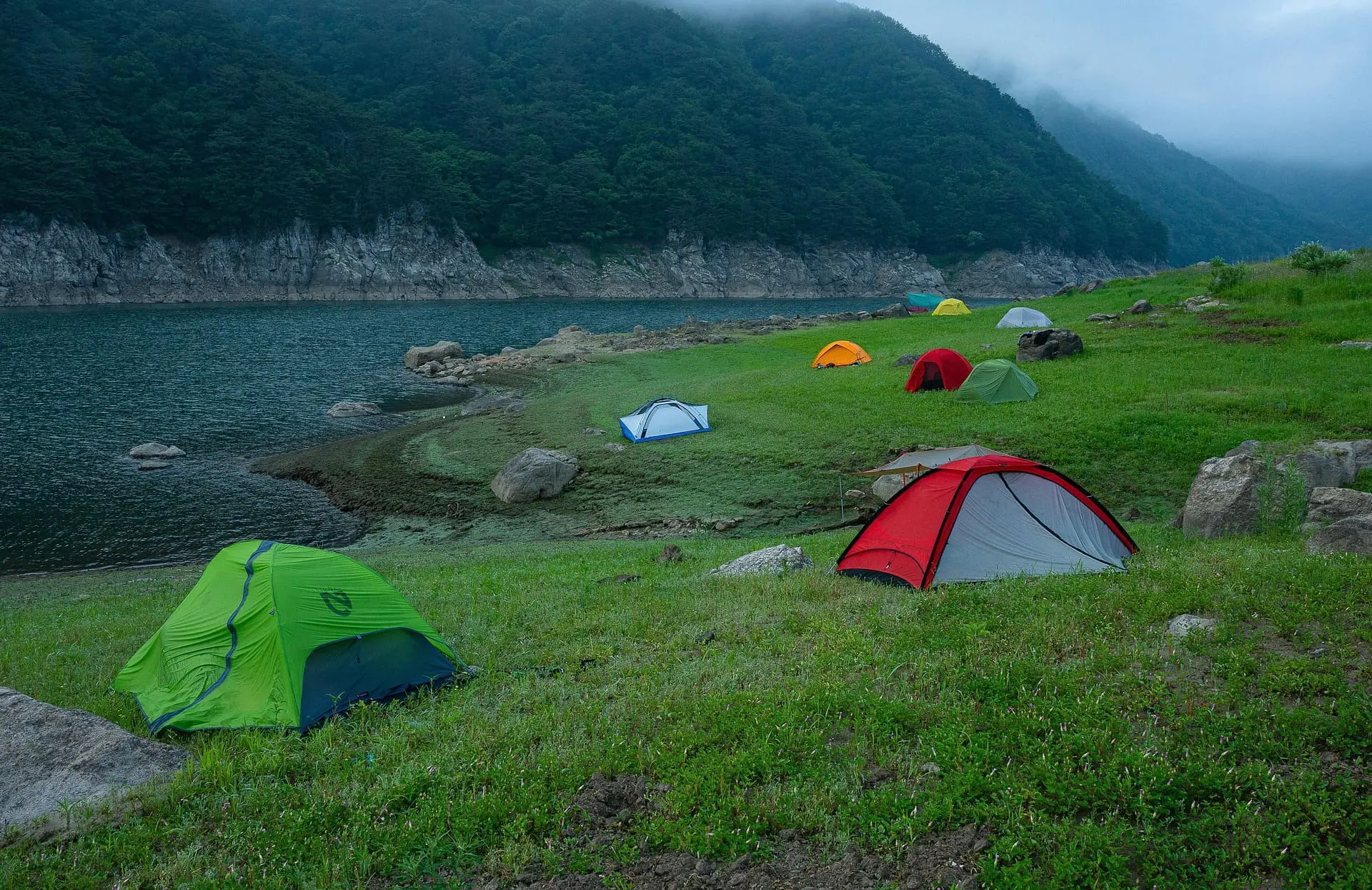
Camping in Newfoundland and Labrador: What to Expect
I set up camp along the coast one evening, started making dinner, and looked up to see something the size of a small building drifting slowly past the campsite. An actual iceberg, thousands of years old by the time it reached that stretch of water, moving along what locals call Iceberg Alley like it was the most normal thing in the world. Nobody else at the campground seemed particularly fazed by it. For me, it was one of those moments that recalibrates what you think camping in Canada can look like.
Newfoundland and Labrador doesn’t camp like anywhere else in the country, and a lot of that comes down to logistics most people don’t think about until they’re already committed to the trip. Getting there usually means a ferry. The wildlife runs denser and stranger than most provinces. And the weather, especially the fog, follows its own rules entirely.
Getting There Changes the Whole Trip
Unless you’re flying directly into St. John’s, reaching Newfoundland means a ferry crossing with Marine Atlantic, running from North Sydney, Nova Scotia to either Port aux Basques (six to seven hours) or Argentia, closer to St. John’s (fourteen to seventeen hours). Both routes handle RVs and trailers, but summer sailings sell out months in advance, and booking the ferry needs to happen before you even start thinking about campground reservations.
This changes the shape of a Newfoundland camping trip compared to almost anywhere else in the country. You’re not deciding on a whim to extend a trip by a day, since the ferry schedule back home is often locked in before you leave. Building slack into your itinerary matters more here than in a province you can simply drive out of whenever you’re ready.
Newfoundland and Labrador Camping Destinations
| Destination | Region | Best For | Notes |
|---|---|---|---|
| Gros Morne National Park | West coast | Fjords, mountains | UNESCO World Heritage Site, five campgrounds |
| Terra Nova National Park | East coast | Boreal forest, coastline | Two front-country campgrounds |
| Twillingate area | Northeast coast | Iceberg and whale viewing | Peak iceberg season runs May through June |
| Dildo Run Provincial Park | Northeast coast | Oceanfront camping | Icebergs occasionally visible from campsites |
You can check current availability and book directly through the Parks Canada camping page for Gros Morne National Park. Gros Morne’s five campgrounds fill quickly once the season opens in late May, and Parks Canada’s reservation system requires setting up an account in advance if you haven’t booked with them before.
💡 Tip: If Gros Morne’s main campgrounds show no availability for your dates, check the primitive campsites along several of the park’s trails. They require a permit and registration with park staff, but they open up a genuinely different experience, wooden tent pads, bear-proof food lockers, and considerably more solitude than the front-country sites.
Icebergs, on Their Own Schedule
Iceberg Alley refers to the current running along Newfoundland’s northeast coast, where icebergs that calved off Greenland’s glaciers drift south each spring and early summer. Peak viewing typically runs May through June, though timing shifts year to year depending on wind and current conditions. Twillingate has built much of its tourism identity around iceberg viewing, and camping in the area during peak season means a real chance of watching one drift past without leaving your campsite.
Websites like IcebergFinder.com track current sightings in near-real time during the season, which is worth checking before you commit to a specific camping location if icebergs are the main draw for your trip.
Whales, Moose, and an Unusual Amount of Wildlife
Humpback whales feed along Newfoundland’s coast through the summer months, often visible from shore, and towns like Trinity and Twillingate run dedicated whale-watching tours if you want a closer look than a campsite view provides. Puffins add another distinctly Newfoundland wildlife experience, with accessible colonies at Witless Bay and Elliston, the latter letting you walk directly among puffin burrows on the headland.
Moose density in parts of Newfoundland runs remarkably high, close to one per square kilometer in some regions, a legacy of the species being introduced to the island in the early 1900s without natural predators to control the population. This matters for camping in a very practical way: moose show up on roads at dawn and dusk far more often than in most of the country, and driving after dark on rural highways carries real collision risk. Newfoundland itself has no bears on the island (Labrador has both black bears and polar bears), which does simplify food storage somewhat compared to most of the rest of Canada, though proper storage still matters given moose and other wildlife around a campsite.
⚠️ Heads up: Moose-vehicle collisions happen often enough in Newfoundland that driving after dusk on rural roads deserves real caution. Reduce speed at dawn and dusk specifically, when moose activity peaks and visibility drops.
The Fog Follows Its Own Rules
Newfoundland’s coastal fog rolled in one afternoon during my trip fast enough that a clear morning turned into near-zero visibility within an hour. It’s a genuinely common pattern along the coast, driven by the cold Labrador Current meeting warmer air, and it can linger for a full day before lifting.
Pack for it rather than treating it as bad luck. A foggy day isn’t necessarily a lost day, since a lot of Gros Morne’s dramatic fjord scenery, particularly around Western Brook Pond, takes on an entirely different, almost otherworldly character in the mist. But plan flexible activities for foggy stretches, since hikes with big scenic payoffs at the summit lose most of their appeal when visibility drops to a few meters.
Gros Morne’s Geology Is Worth the Detour
Beyond the coastal scenery most people associate with Newfoundland, Gros Morne’s Tablelands offer something genuinely unusual: a stretch of exposed earth’s mantle, thrust up by tectonic activity millions of years ago, where the rock’s chemistry makes the landscape look almost Martian, rust-colored and largely barren compared to the green coastline surrounding it. It’s one of the reasons Gros Morne earned UNESCO World Heritage status, and it’s worth a dedicated day separate from the fjord and coastal hikes most visitors prioritize first.
What to Pack for Newfoundland Specifically
Beyond standard camping gear, a few things matter more here than elsewhere in Canada. A genuinely reliable rain layer, given how often fog and coastal weather shift without much warning. Warmer layers than the summer season suggests, since coastal Newfoundland runs cooler than mainland Canada at similar latitudes, particularly in the evenings.
A physical map or downloaded offline maps for rural driving, since cell coverage drops out across large stretches of the island outside major towns. And patience for ferry logistics, both in booking and in building buffer time into your travel schedule on either end of the crossing.
Final Thoughts
Camping in Newfoundland and Labrador asks a bit more logistical planning than most Canadian provinces, mainly around the ferry crossing and reservation timing, but the payoff includes icebergs drifting past your campsite, whales visible from shore, and geology that looks like nowhere else in the country. Book the ferry before anything else, plan flexible activities around the fog, and drive carefully at dawn and dusk given how much moose traffic the island carries. Few places in Canada deliver a camping trip this distinct from everywhere else on the map.
If you’re planning trips elsewhere in Canada, check out our guides to backcountry camping in Alberta, car camping spots in Quebec, and backpacking routes in British Columbia for beginners.