Pet-Friendly Campgrounds in Saskatchewan: A Dog Owner’s Guide
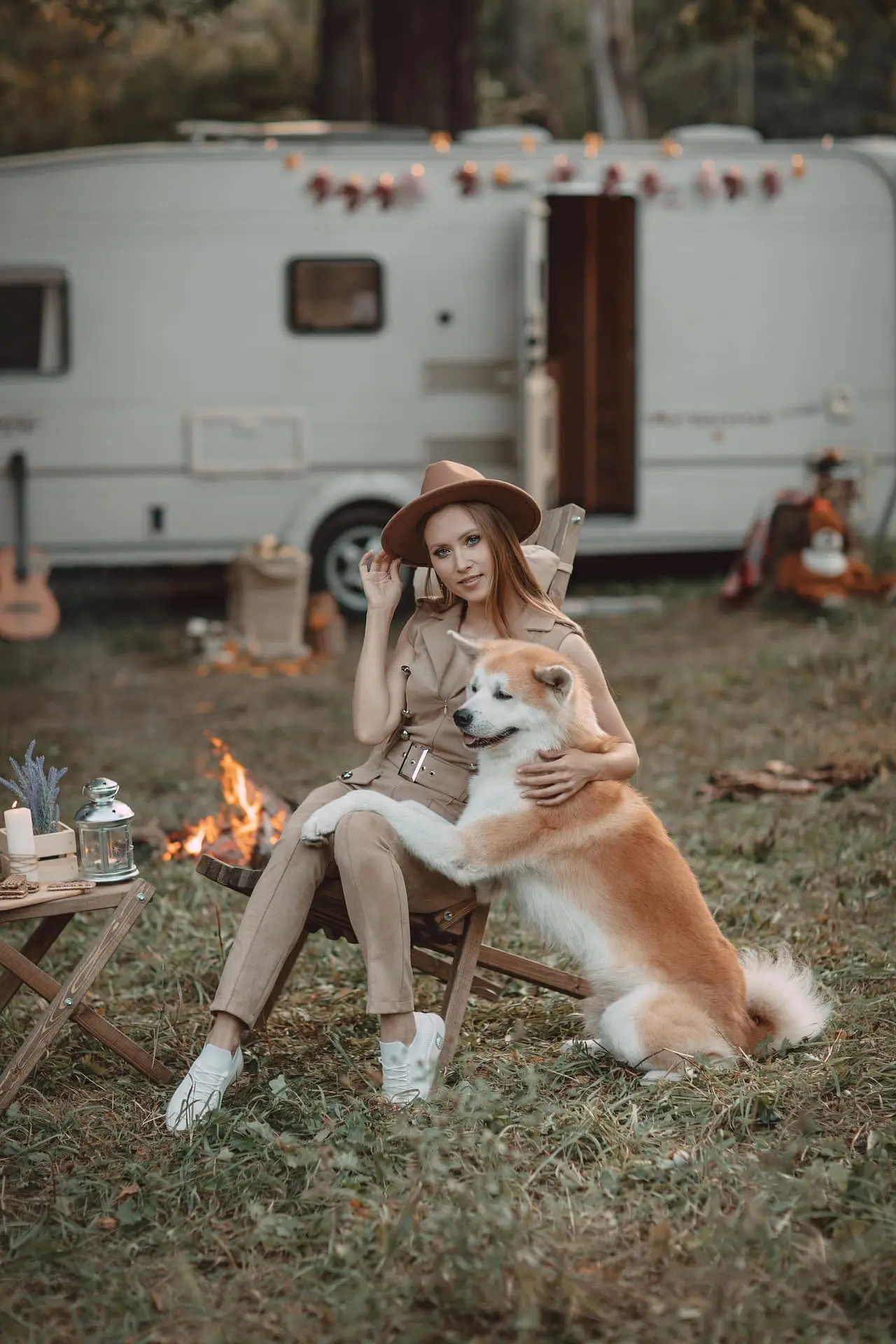
Our dog spends most weekdays waiting by the door, so watching him actually get to explore somewhere new on a camping trip changes his whole personality. He trots ahead on the trail, doubles back to check on us, and generally acts like every stick and smell deserves full investigation. By the end of a weekend, he’s usually covered in mud, dust, and whatever burrs he managed to collect along the way.
None of that has ever bothered us. The memories from those trips, watching him bound around a campsite with more energy than we knew he had, matter a lot more than a dirty coat that washes out eventually. If you’re considering bringing your dog camping in Saskatchewan, that tradeoff is worth knowing about upfront: expect mess, and expect it to be worth it.
What Makes Saskatchewan Good for Dog Owners
Saskatchewan’s provincial park system spans over 100 parks and recreation sites, and pets are welcome across nearly all of them. That’s a genuine advantage over some other provinces, where certain parks or specific zones within a park restrict pets entirely. In Saskatchewan, the more common restriction involves specific amenities, like beaches or buildings, rather than entire parks.
The open, varied landscape also suits dogs particularly well. Saskatchewan’s parks range from prairie grassland to boreal forest to the rolling hills of Cypress Hills, which means plenty of terrain for a dog who wants more than a short, flat loop around a campground.
Popular Pet-Friendly Campgrounds in Saskatchewan
| Park | Region | Best For | Notes |
|---|---|---|---|
| Cypress Hills Interprovincial Park | Southwest | Hiking, varied terrain | Large park with both resort and wilderness sections |
| Saskatchewan Landing Provincial Park | West-central | River valley trails | Along the South Saskatchewan River |
| Prince Albert National Park | North-central | Longer trails, forest | Managed by Parks Canada, separate reservation system |
| Duck Mountain Provincial Park | East-central | Forest trails, lakes | Good shade coverage for hot days |
| Blackstrap Provincial Park | Near Saskatoon | Easy access, day trips | Close enough for a quick overnight |
You can check current availability and book directly through the official Saskatchewan Provincial Parks reservation system. Reservations for the season typically open in April, with seasonal sites released slightly ahead of nightly campsites.
💡 Tip: If you’re planning around a specific pet-friendly beach or trail, check the individual park’s page before booking. Amenity access varies more by specific park than most people expect, and confirming ahead of time saves a frustrating conversation at the gate.
Leash Rules and Designated Areas
Pets are welcome throughout Saskatchewan’s provincial parks, but they generally need to stay on a leash no longer than what’s specified in park regulations, typically around two meters, everywhere outside your own campsite. Beaches and other public facilities usually don’t allow pets unless the park has designated a specific pet-friendly area, so don’t assume the whole shoreline is open to your dog just because the park itself welcomes pets.
Several parks now maintain dedicated pet-friendly beach zones specifically to give dog owners a legitimate off-leash swimming option. These areas tend to be smaller and less central than the main beach, but they solve a real problem: a hot dog on a long car ride genuinely benefits from a supervised swim, and having a designated spot for it beats guessing whether you’re breaking a rule.
⚠️ Heads up: Quiet hours in Saskatchewan’s provincial parks run 24 hours a day in some parks, not just overnight. A dog that barks at every passing squirrel or neighboring campsite can become a real problem faster than you’d expect. If your dog tends to bark at new environments, consider a site with more distance from neighbors, or plan for extra exercise before settling in for the evening.
The Mess Is Real, and Worth Planning For
Saskatchewan’s terrain covers everything from dry prairie dust to genuinely muddy river valley trails, and dogs seem to find the messiest version of whatever’s available. A few things make cleanup and comfort easier without cutting the trip short:
- A dedicated towel or two just for the dog, kept separate from your own gear. Trying to share towels after a muddy hike gets old fast.
- A portable water basin or collapsible bowl for rinsing paws before letting your dog back into the tent. This alone prevents most of the mess from spreading to your sleeping bag.
- An old blanket or tarp for the tent floor near the entrance, giving muddy paws somewhere to land before the rest of your gear does.
- Waste bags, more than you think you’ll need. Saskatchewan’s parks expect owners to pack out pet waste the same way they’d pack out any other trash, and running out partway through a trip is a common, avoidable problem.
Wildlife Considerations for Dogs
Coyotes live throughout Saskatchewan’s parkland, including areas close to developed campgrounds, and they pose a real risk to unleashed small dogs, particularly around dawn and dusk. Keeping your dog leashed and close, especially during those hours, matters more here than it might in a more forested province with less open sightline for predators.
Ticks show up reliably in Saskatchewan’s grassy and wooded areas through spring and summer. Checking your dog thoroughly after every hike, particularly around the ears, neck, and between toes, catches most problems before they become serious. A tick preventative from your vet ahead of the trip makes this significantly less of a daily chore.
Porcupines occasionally show up in forested sections of parks like Cypress Hills and Duck Mountain, and a curious dog investigating one ends up with a genuinely painful, vet-visit-worthy problem. If your dog tends to chase or approach wildlife rather than avoid it, keeping the leash short around dense brush is worth the minor inconvenience.
Heat and Water Access
Saskatchewan summers run hot and dry, particularly in the southern and central regions, and dogs overheat faster than most owners expect on a long, sunny hike. Bring more water for your dog than seems necessary, and plan hikes for morning or evening rather than the middle of a hot afternoon whenever the schedule allows.
Access to a lake or river for a swim makes a bigger difference than people expect for keeping a dog comfortable and happy through a hot Saskatchewan afternoon. Parks with actual lake or river frontage, rather than just a small pond or creek, tend to give dogs a real chance to cool off properly rather than just wading a few inches.
Packing List for Camping with a Dog
Beyond the essentials already mentioned, a few more things make a real difference on a Saskatchewan trip specifically. A long-line lead, in addition to a standard leash, gives your dog more room to explore at a campsite without going fully off-leash in an area where that’s not allowed. A basic first-aid kit for dogs, covering things like tick removal tools and bandages for minor cuts, is worth packing separately from your own kit so you’re not digging through both at once.
A familiar blanket or bed from home helps a lot of dogs settle into an unfamiliar tent environment faster, particularly on the first night of a trip. And don’t underestimate a simple stake-out cable for hands-free moments around the campsite, useful for cooking dinner or setting up camp without needing a leash held at all times.
Final Thoughts
Camping with a dog in Saskatchewan means signing up for muddy paws, the occasional tick check, and a genuine risk of coyote encounters if you’re not careful about leash rules. It also means watching your dog experience a kind of freedom that a daily walk around the block never quite delivers. Book through the provincial reservation system with pet-friendly amenities confirmed ahead of time, pack more water and waste bags than feels necessary, and expect the mess. It’s worth it.
If you’re planning trips elsewhere in Canada, check out our guides to car camping spots in Quebec, camping in Manitoba’s provincial parks, and camping in Ontario’s provincial parks.