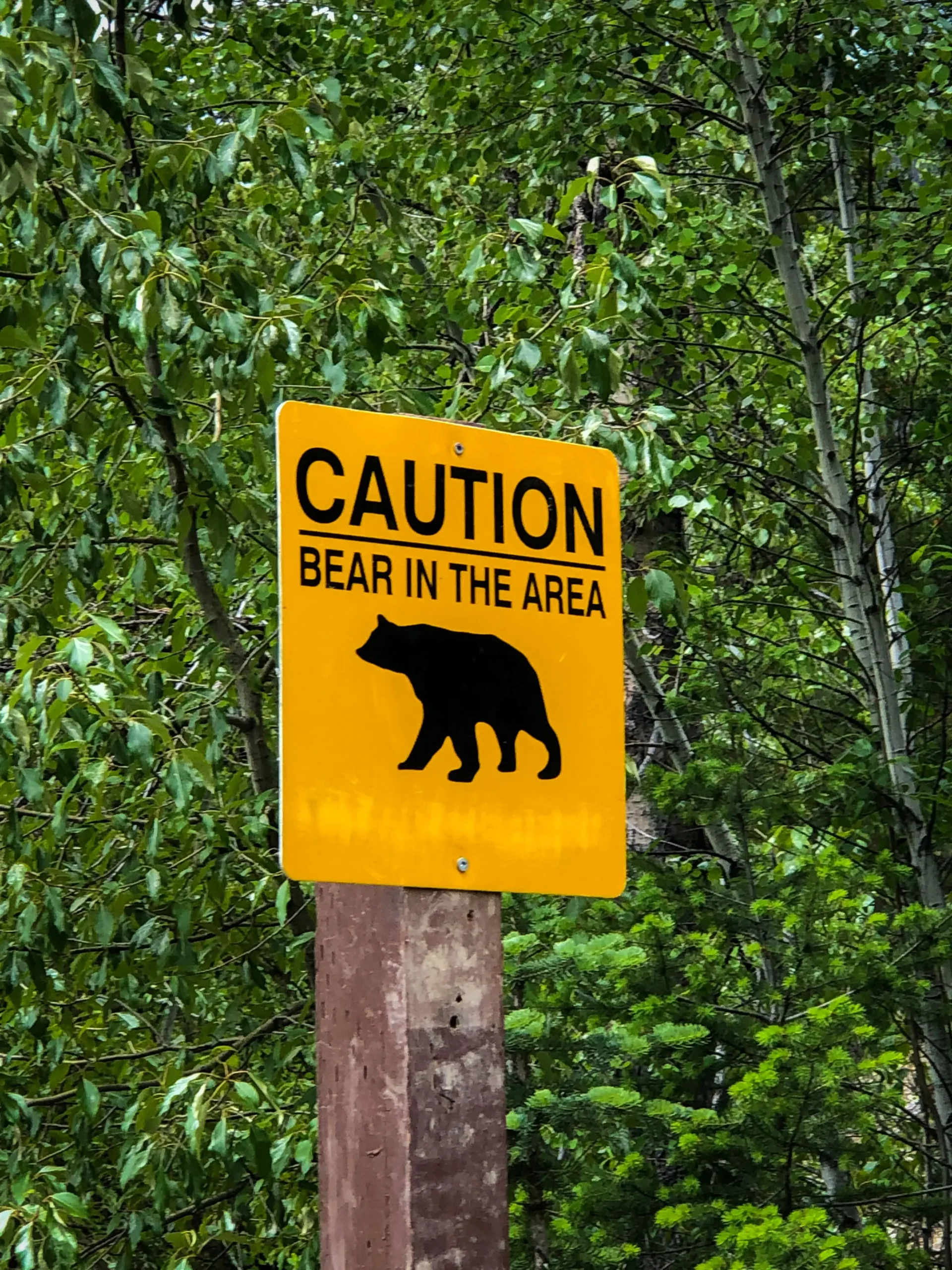
Wildlife Encounters While Camping: What Actually Works
I’ve never actually come face to face with a bear at a campsite, and honestly, I’d like to keep it that way. What I have done is pack for the possibility every single trip, especially in areas where bear activity gets mentioned often. That precaution shaped how I think about wildlife encounters while camping, even without a dramatic story to tell.
Why Preparation Matters More Than a Close Call
A lot of camping advice focuses on what to do during an encounter, and that matters. But the more useful lesson I’ve picked up is that good preparation mostly prevents the encounter from happening at all. Bears aren’t looking for confrontation. They’re looking for easy calories, and a campsite that doesn’t offer any tends to stay quiet.
💡 Tip: The goal isn’t just surviving an encounter. It’s setting up your site so an encounter never becomes likely in the first place.
What I Actually Pack Now
Bear spray comes with me on every trip in bear country, along with a hard-sided cooler that locks, rather than a soft cooler that offers no real barrier. A headlamp gets used at night specifically to avoid surprising anything moving nearby, not just to see where I’m walking.
Food Storage Is the Real Front Line
Almost every wildlife conflict at a campsite traces back to food, garbage, or something scented left somewhere it shouldn’t be. Get this right, and most other precautions become backup, not the main defence. Parks Canada’s own guidance on camping in bear country makes this the central point of nearly every recommendation it gives.
At a Developed Campground
Food and anything scented, cooking gear, toiletries, garbage, needs to stay inside a hard-sided vehicle or a bear-proof locker whenever it’s not actively in use. Soft-sided tent trailers don’t count as secure storage, even though they look sturdy from the outside. Cooking inside or near a tent is one of the fastest ways to leave lingering food odours that attract animals long after the meal is over.
In the Backcountry
Without a vehicle nearby, food needs to go into bear-resistant containers or get hung between two trees, at least four metres off the ground and a metre away from either trunk. Cooking well downwind and away from the sleeping area, roughly 100 metres if the site allows for it, keeps food smells from drifting toward where you’ll actually be sleeping.
⚠️ Heads up: Never bury garbage, even food scraps. Bears locate and dig up buried food easily, and it teaches them that campsites are worth investigating.
Choosing a Site With Wildlife in Mind
Where you set up matters almost as much as how you store your food. Avoid pitching near berry patches, game trails, or loud rushing water, since running water can mask the sound of an approaching animal and make it harder for either of you to notice the other in time. Open areas near large, sparsely branched trees give you an escape option if it’s ever needed, and any visible signs of recent animal activity, tracks, scat, or torn-up ground, are a clear signal to choose a different spot entirely.
What to Do If an Encounter Happens Anyway
Even with good preparation, encounters aren’t impossible, and knowing the right response matters.
Staying Calm and Assessing the Situation
Most encounters resolve without incident if you stay calm, speak in a firm, low voice, and back away slowly rather than running. Running can trigger a chase response in an animal that otherwise wasn’t interested in confrontation.
Using Bear Spray Correctly
Bear spray works best at close range, deployed directly at an approaching animal rather than sprayed into the air ahead of time as a deterrent. It’s not a substitute for good practices beforehand, but it’s an important last line of defence if a bear closes distance despite everything else going right.
If the Bear Doesn’t Back Off
Playing dead isn’t the right response in every situation, and outdated advice sometimes suggests otherwise. If a bear is acting predatory rather than defensive, fighting back, making noise, and making yourself look as large and threatening as possible is the recommended response instead of passivity.
It’s Not Just Bears
Bears get most of the attention, but plenty of smaller wildlife causes real problems too, especially around food.
Raccoons and Rodents
Raccoons are remarkably good at opening coolers and containers that don’t seem obviously vulnerable. A cooler with working latches, or one stored inside a locked vehicle overnight, solves most of this before it starts. Rodents chew through soft-sided bags and backpacks left on the ground, so keeping food off the dirt and inside something they can’t easily access matters even at a quiet, low-traffic site.
Coyotes and Smaller Predators
Coyotes rarely approach an occupied, well-lit campsite, but unattended food or pet food left out overnight can change that. Keeping pets leashed and never leaving pet food outside unattended removes one of the more common reasons a coyote would investigate a site at all.
A Quick Wildlife Safety Checklist
| Precaution | Why It Matters |
|---|---|
| Store food in a hard-sided vehicle or bear locker | Removes the main reason wildlife investigates a site |
| Cook and wash dishes away from the sleeping area | Reduces lingering food smells near where you sleep |
| Carry bear spray and know how to use it | Provides a real deterrent if an encounter escalates |
| Choose a site away from berry patches and game trails | Avoids areas animals already travel through regularly |
| Never bury garbage | Prevents animals from digging it up and returning |
| Keep a headlamp on at night | Reduces the chance of surprising something nearby |
Final Thoughts
I still haven’t had that dramatic wildlife story, and I’m genuinely fine with that. The precautions I pack every trip, the bear spray that’s never been used, the locked cooler, the careful site selection, exist specifically to keep it that way. Preparation isn’t wasted effort just because nothing happens. It’s usually the reason nothing happens at all.
If you’re planning a backcountry trip where wildlife awareness matters even more, our beginner’s guide to backcountry camping in Alberta covers what else to expect out there. For a quieter province with fewer crowds and more space to plan your site carefully, our guide to Manitoba’s provincial parks is worth a look. And if you’re heading somewhere more remote entirely, our guide to camping in Newfoundland and Labrador covers what a more isolated trip actually involves.
Whatever you’re packing for your next trip, good food storage and a sensible site do more for your safety than any single piece of gear. Prepare well, and the story you’re hoping for is usually the uneventful one.