Unique Camping Experiences in Canada: Dark Skies & More
Most of my camping trips follow a familiar pattern. Book a site, pack the car, set up near a lake, done. But some trips stick with me for a different reason. They gave me something a regular weekend at a provincial park never cUnique Camping Experiences in Canada: Dark Skies & More
Most of my camping trips follow a familiar pattern. Book a site, pack the car, set up near a lake, done. But a handful of trips gave me something a regular weekend at a provincial park never could, and they’re a big part of why I keep coming back to unique camping experiences in Canada whenever I plan a new trip. This roundup pulls together a few of those experiences, plus some spots on my own list that I haven’t gotten to yet.
Stargazing Near Banff
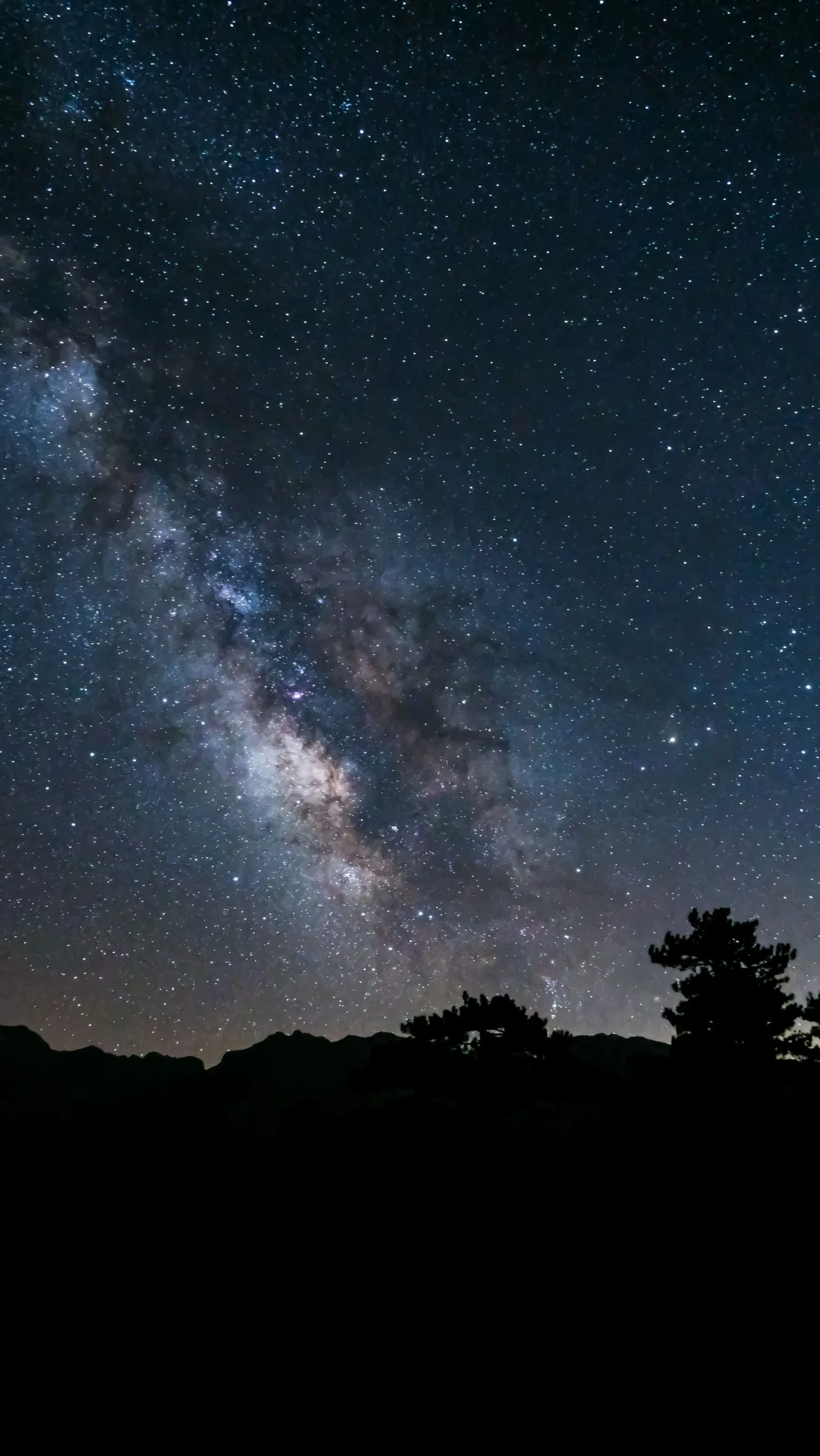
I still remember one specific night camping near Banff. The sky had almost no light pollution. I could see the Milky Way stretched out clearly, something I’d never really seen back home. It’s one of those moments that makes you stop talking mid-sentence and just look up.
If that kind of sky is what you’re after, it’s worth knowing that Jasper National Park, just north of Banff along the Icefields Parkway, is officially recognized. It’s the second largest Dark Sky Preserve in the world, and the largest one with a town inside its boundaries. The park hosts an annual Dark-Sky Festival every October, with guided stargazing, talks, and even a chance at the northern lights on a clear night.
Getting the Best View
You don’t need a festival ticket to get the experience. Simply camping anywhere in the region on a clear night, away from town lights, gets you most of the way there. A few things make a real difference. Pick a night close to a new moon, since moonlight washes out fainter stars. Give your eyes at least twenty minutes to adjust to the dark before judging how much you can actually see. And if you’re bringing kids, a basic stargazing app helps turn a quiet night into something interactive.
💡 Tip: Best stargazing conditions are on clear nights around a new moon, especially in fall and winter when the sky gets darker earlier.
Winter nights are colder but often clearer, and they come with the added chance of catching the aurora. If you’re planning a cold-weather trip specifically for this, it’s worth reading up on what winter camping in the mountains actually involves before you commit to it.
Canoe-In Camping in Algonquin Park
This one’s on my list rather than in my logbook, but it’s hard to leave off a roundup of unique camping experiences in Canada. Algonquin Provincial Park has over 2,000 kilometres of canoe routes and roughly 1,900 backcountry canoe campsites. That’s an enormous network to explore, and it’s one of the reasons Algonquin comes up constantly when Canadians talk about canoe tripping.
What Makes It Different
Unlike a car campground, you paddle in. Some routes are short, easy loops good for a first-timer, covering maybe two days and a handful of kilometres. Others stretch into multi-day trips deep into the park’s interior, with portages connecting one lake to the next. The appeal isn’t just the paddling. It’s how much quieter and more remote the sites get the farther you travel from the access points. Trippers who push past the busier “main street” routes near the highway corridor tend to find genuinely private lakes within a day or two.
Planning Basics
Reservations are required for all backcountry canoe camping in Algonquin, and they can be made up to five months ahead of your arrival date. That’s worth knowing if you have a specific route or lake in mind, since popular sites fill quickly, especially during fall colour season. Canoe and kayak rentals are available near most access points if you don’t own your own gear, and outfitters in the area can supply barrels, paddles, and other essentials for a daily fee.
What I’d Pack
If I get out there this year, my list would include a lightweight tent, a proper portage pack rather than a regular backpack, dry bags for anything that can’t get wet, and a map of the specific route rather than relying on a phone with no signal. You’ll hear about it here in a future post once I’ve actually done it.
Free Camping on Crown Land
Here’s something I didn’t fully appreciate until I started paying closer attention to campground fees. In my experience, campgrounds run by the government tend to be noticeably cheaper than private ones. Part of the reason is that so much of Canada’s land is publicly owned and managed this way.
Crown land takes that even further. Roughly 89 percent of Canada is Crown land, and in most provinces, camping on it is free for residents. Ontario allows up to 21 days at one site before you need to move at least 100 metres. British Columbia and Alberta generally cap it around 14 days before you need to relocate. Rules and permit requirements vary by province, so it’s worth checking the local regulations before you go, especially if you’re not a Canadian resident.
⚠️ Heads up: Crown land camping means no amenities. No washrooms, no fire pits, no guaranteed cell signal. Bring your own water, a way to pack out garbage, and a solid understanding of Leave No Trace principles.
BC’s Recreation Sites
British Columbia deserves a special mention among unique camping experiences in Canada. The province maintains a network of Recreation Sites scattered across forest service roads, usually near lakes, rivers, or waterfalls. Most are free or close to it, with a minority charging a small nightly fee, often somewhere between ten and fifteen dollars. They’re rustic by design, but that’s the trade-off for the price and the privacy.
Newfoundland’s Public Land Advantage
Newfoundland and Labrador is another standout. It has the highest percentage of public land of any Canadian province, and free camping is widely available for residents, with permits sometimes required for non-residents. Combined with the province’s rugged, largely undeveloped coastline, it’s a strong option if remote, low-cost camping is what you’re after.
For anyone used to booking a serviced site months in advance, Crown land camping is a different mindset entirely. No reservation, no site number, just a legal spot and whatever you brought with you.
A Quick Comparison
| Experience | Best For | Season | Cost |
|---|---|---|---|
| Stargazing near Banff/Jasper | Anyone with a clear night and patience | Fall and winter for darkest skies | Regular campsite fees |
| Algonquin canoe-in sites | Paddlers wanting remote, quiet sites | Late spring through fall | Backcountry fees, roughly $12/person/night |
| Crown land camping (Ontario, BC, Alberta) | Budget campers, self-sufficient travelers | Spring through fall | Free for residents in most provinces |
| BC Recreation Sites | Campers wanting scenery without a full booking system | Spring through fall | Free to roughly $15/night |
| Newfoundland public land | Coastal, off-the-beaten-path campers | Summer through early fall | Mostly free for residents |
Fall Camping Deserves More Attention
I haven’t done a proper fall camping trip myself yet, but it keeps coming up as I research unique camping experiences in Canada for this site. Cooler nights, fewer bugs, and changing leaves make September and October an underrated window for anyone who normally only camps in July and August.
Algonquin’s fall colour season in particular draws paddlers who want the canoe routes without peak summer crowds, though it also means backcountry sites book up fast. Jasper’s Dark-Sky Festival lands in October too, which makes fall a rare season where two very different kinds of trips, paddling and stargazing, line up on the calendar at the same time.
The trade-off is shorter daylight and colder nights, so packing an extra layer and a warmer sleeping bag rating matters more than it does in midsummer. It’s high on my list for this year, and once I’ve done it, I’ll write up the specifics properly instead of just researching them secondhand.
More Unique Camping Experiences in Canada Worth Seeking Out
Regular car camping will always be my default. It’s comfortable, it works for my family, and it gets the job done. But the trips that really stick with you tend to be the ones that break that pattern. A sky so dark it stops you mid-sentence. A campsite you can only reach by paddling in. A free site on Crown land with nothing around for kilometres.
None of these require you to overhaul how you camp. Most can be added onto a trip you were already planning, or saved for the one weekend a year you want something different. You don’t need to become a different kind of camper to try one of these. You just need to pick one and build a weekend around it.
If winter is more your speed, our guide to winter camping in the Canadian Rockies covers what to expect in the cold months. And whichever type of trip you’re planning, our summer gear checklist and our New Brunswick guide are both worth a look before you head out.
Whatever you choose, the goal is the same one that brings most of us back to camping in the first place. Get outside, slow down, and notice something you’d normally miss.