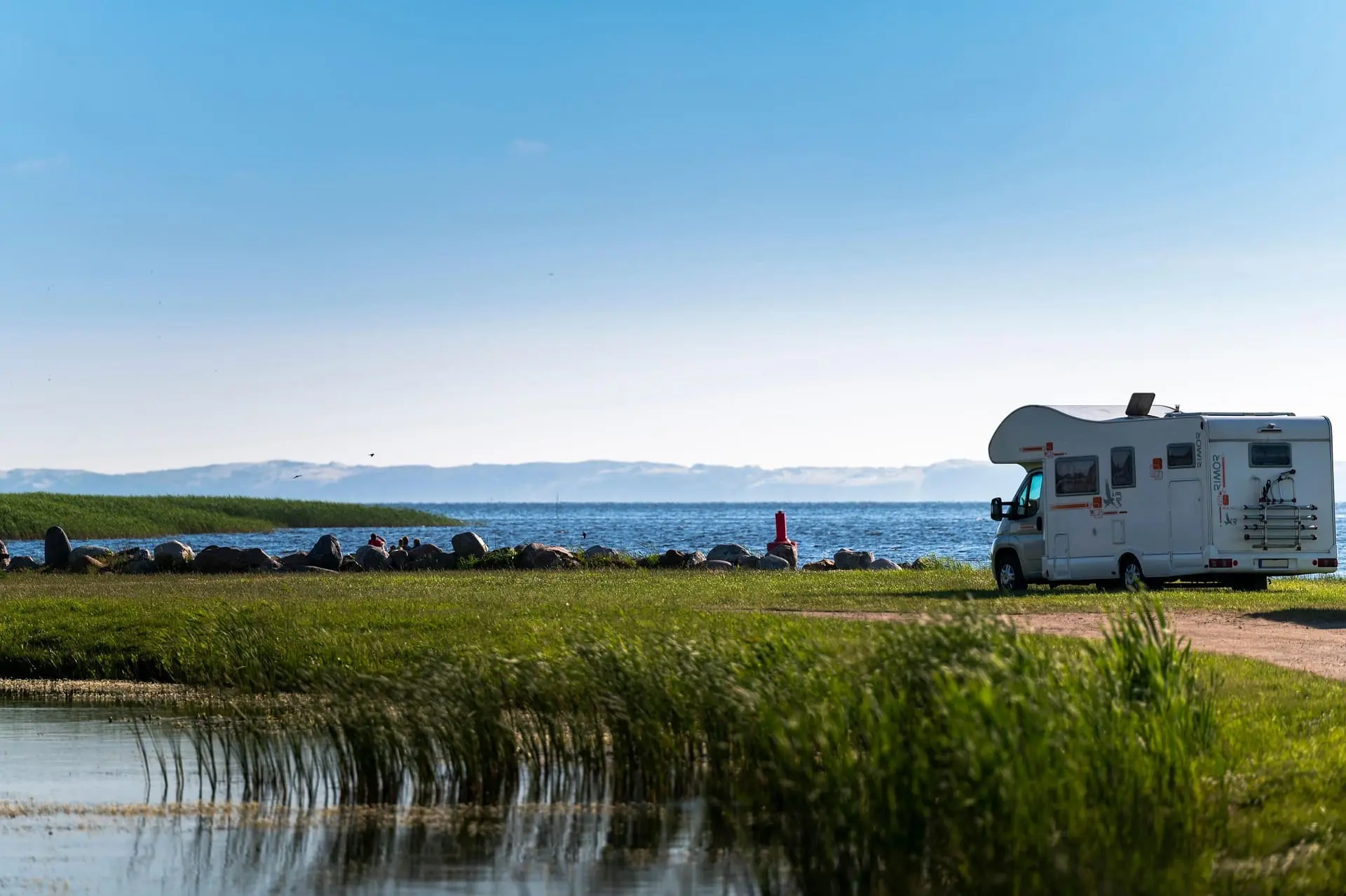
Camping in Nova Scotia: Coastal Parks and What to Pack
Camping by the ocean feels different from camping in the mountains or beside a lake, and I think it comes down to the senses more than the scenery. The waves never really stop. They break, pull back, and break again, all night long, in a rhythm that somehow makes falling asleep easier instead of harder. Gulls and other seabirds call constantly overhead, especially at dawn. And there’s a specific smell to the ocean air, salt mixed with something harder to name, that settles your mind in a way I haven’t found camping anywhere else.
If you love the water the way I do, Nova Scotia delivers that feeling better than almost anywhere else in Canada. The province wraps around the Atlantic on nearly every side, and its coastal parks put you close enough to fall asleep to the sound of the surf.
What Makes Coastal Camping in Nova Scotia Different
Camping near the ocean comes with a different set of variables than inland trips. Weather changes faster. Wind blows harder and more consistently, especially on exposed headlands. Tides shift the shoreline twice a day, which matters more than people expect if you’re planning to walk the beach or launch a kayak. None of this makes coastal camping harder exactly, but it does mean the packing list looks a little different than a standard forest or lakeside trip.
The province also offers more variety along its coastline than most people expect. The South Shore tends to run calmer, with warmer water and long sandy beaches. The Bay of Fundy side brings drama instead: cliffs, extreme tides, and a rockier, wilder feel. Cape Breton adds a third option entirely, with highland scenery that mixes coastal and mountain camping in a single trip. Picking the right region matters just as much as picking the right park.
Coastal Parks Worth Visiting
| Park | Region | Best For | Notes |
|---|---|---|---|
| Rissers Beach Provincial Park | South Shore | Sandy beach, swimming | Warmer water than most of the coast |
| Thomas Raddall Provincial Park | South Shore | Long beach walks | Multiple beaches within the park |
| Five Islands Provincial Park | Bay of Fundy | Dramatic tides, cliffs | Highest tides in the world, worth timing your visit |
| Cape Chignecto Provincial Park | Bay of Fundy | Coastal hiking | More rugged, better for experienced campers |
You can check current park operating dates and book directly through the official Nova Scotia Parks reservation page. Most coastal parks open in mid-May and run through mid-October, though exact dates vary by location.
💡 Tip: If you’re set on a specific coastal site for a summer weekend, book as early as the reservation window allows. Beach-access parks like Rissers Beach and Thomas Raddall fill up fastest once school lets out for the season.
South Shore or Bay of Fundy? Choosing Your Region
If this is your first coastal trip in Nova Scotia, deciding between the South Shore and the Bay of Fundy makes a bigger difference than picking a specific park.
The South Shore suits families and first-timers better. The water runs warmer, the beaches slope gently, and towns like Lunenburg and Mahone Bay sit close enough for a supply run or a rainy-day backup plan. Rissers Beach and Thomas Raddall both fall into this category, and neither requires much advance planning beyond a standard reservation.
The Bay of Fundy rewards a bit more experience and planning. The tides aren’t just a curiosity here. They genuinely shape how you camp, walk, and explore. The payoff is scenery you won’t find anywhere else in the country: exposed sea floor at low tide, towering red cliffs, and a sense of scale that the South Shore doesn’t quite match. If you’re comfortable checking tide charts and planning around them, Five Islands and Cape Chignecto deliver an experience worth the extra effort.
The Bay of Fundy Tides Catch People Off Guard
The Bay of Fundy has the highest tides in the world, and if you’re camping anywhere near Five Islands or Cape Chignecto, this isn’t just trivia. The water can rise and fall more than ten meters between high and low tide, which means a beach that looks enormous at low tide can disappear almost entirely a few hours later.
Always check the tide schedule before you plan a beach walk or set up gear near the shoreline. Park offices post current tide times, and it’s worth checking the night before rather than assuming the schedule from your last visit still applies. People do get caught out by rising water here, and it happens fast enough that it’s worth taking seriously rather than treating it as a minor inconvenience.
Beyond safety, the tides also shape the best time of day to explore. Low tide exposes tidal flats, sea caves, and rock formations that disappear completely a few hours later. Planning a walk or a photo session around low tide, rather than just whenever you happen to wake up, makes a real difference in what you actually get to see.
What the Salt Air Does to Your Gear
Nobody warned me about this before my first coastal trip, and it’s worth passing along. Salt air corrodes metal faster than you’d expect, and it happens over the course of just a few days, not weeks. Tent zippers, cooking equipment, and anything with exposed metal hardware can start sticking or rusting after a single humid, salty weekend.
A few things that help:
- Rinse metal gear with fresh water at the end of the trip, even if it looks fine. Zippers especially benefit from this.
- Store food in fully sealed containers, not just closed bags. Coastal humidity gets into everything, and salt air seems to make food go stale faster than inland camping does.
- Bring a separate dry bag for electronics. Phones, cameras, and portable chargers don’t handle salt-heavy humidity well over multiple days.
- Pack a small tube of lubricant for zippers and hinges, particularly if you’re staying more than a couple of nights. A sticking zipper on night one becomes a jammed one by night three.
⚠️ Heads up: Wind on exposed coastal sites runs stronger and more constant than most inland camping spots. Stake your tent more thoroughly than you would at a forest site, and consider a site with some natural windbreak (trees, dunes, or a rock formation) if the forecast calls for anything beyond a light breeze.
Fog Changes Everything, Sometimes for the Better
Coastal Nova Scotia gets fog more often than most first-time visitors expect, especially along the Atlantic side of the province in early summer. It can roll in within twenty minutes and sit for most of a day before burning off. It’s worth packing for, since a fogged-in coastline drops the temperature noticeably and adds dampness that lingers in gear and clothing.
That said, fog also creates some of the most memorable mornings you’ll get on a coastal trip. Waking up to a shoreline half-hidden in mist, with the sound of waves coming from somewhere you can’t quite see, has a strange, quiet beauty that a clear day doesn’t offer. Pack for it rather than dread it.
Wildlife Along the Coast
Coastal camping in Nova Scotia comes with a different set of wildlife than an inland trip. Seals haul out on rocks and sandbars along much of the coastline, and spotting one from a distance ranks among the more memorable moments of a coastal trip. Seabirds dominate the soundscape everywhere you go, from gulls to cormorants to the occasional bald eagle working the shoreline for fish.
Raccoons and gulls both pose a food-storage risk at coastal campgrounds, arguably more than bears do in most of these parks. Gulls in particular have learned to associate campsites with food and will make a direct attempt at an unattended plate. Keep food sealed and stored the moment you’re not actively eating it, not just overnight.
When to Visit for the Best Experience
Peak season along the Nova Scotia coast runs from late June through August, when water temperatures reach their warmest and most campgrounds run at full capacity. September offers a strong alternative if you don’t mind cooler water. Crowds thin out considerably after Labour Day, and the coastal light in early autumn tends to be some of the best of the year for photography.
Late summer and early fall also bring a small risk worth knowing about: the tail end of hurricane season occasionally sends post-tropical storms up the Atlantic coast into Nova Scotia, usually between late August and October. These systems rarely hit with full hurricane force by the time they reach the province, but they can bring heavy rain and strong wind with only a few days of warning. Check the forecast closely if you’re planning a trip during this window, and have a backup plan for anything booked in a particularly exposed, cliffside location.
Packing for a Coastal Trip
Beyond your standard camping gear, a few additions make a real difference along Nova Scotia’s coast:
A windproof jacket, even in summer. Coastal wind cuts through regular layers faster than you’d expect, especially in the evening once the sun drops. A tide chart or tide app downloaded before you lose signal, particularly if you’re staying anywhere near the Bay of Fundy. Extra tent stakes, since standard stakes sometimes struggle in sandy or loose coastal soil.
Bug protection still matters here too. Coastal breezes keep some insects away, but low-lying, sheltered spots near marshland can still get mosquito-heavy in the evenings. A reusable water bottle with a wide mouth also helps, since dealing with sand and salt residue in a narrow-necked bottle gets old fast after a beach day.
Getting There
Most of Nova Scotia’s coastal parks sit within a few hours of Halifax, which makes the province manageable even on a shorter trip. Rissers Beach and Thomas Raddall both fall within roughly ninety minutes of the city, making them realistic options even for a spontaneous weekend. Five Islands and Cape Chignecto require a longer drive toward the Bay of Fundy side, closer to three hours, but the scenery along the way, particularly through the Annapolis Valley, makes the drive itself part of the trip.
If you’re combining a Nova Scotia trip with other parts of Atlantic Canada, budget extra time for ferry schedules or longer coastal routes, since the region’s geography rarely allows for a direct, fast drive between destinations.
Final Thoughts
Camping in Nova Scotia’s coastal parks rewards you with something inland camping can’t quite replicate: the sound, the smell, and the constant motion of the ocean right outside your tent. Time your visit around the tides if you’re anywhere near the Bay of Fundy, pack for wind and salt air rather than ignoring them, and don’t let a foggy forecast talk you out of a trip. Some of the best mornings happen exactly when the coastline disappears into the mist.
If you’re planning trips elsewhere in Canada, check out our guides to camping in Ontario’s provincial parks, family-friendly campgrounds in British Columbia, and car camping spots in Quebec.