Backcountry Camping in Alberta: What First-Timers Should Know
We brought three kids into the backcountry before we really understood what we were signing up for. Most of the trip went fine. One thing nearly derailed us completely: the outhouse.
A pit toilet at night, deep in the woods, with no lights and a door that creaks, terrifies a six-year-old in a way that no amount of reassurance fixes. Our kids refused to go anywhere near it after dark. We solved it by packing a portable camping toilet and setting it up inside our tent’s vestibule, so nobody had to walk anywhere in the dark to use the bathroom. It sounds like a small fix. It changed the entire trip.
If you’re planning your first backcountry trip in Alberta, especially with kids, here’s what actually matters once you’re out there.
What “Backcountry” Actually Means in Alberta
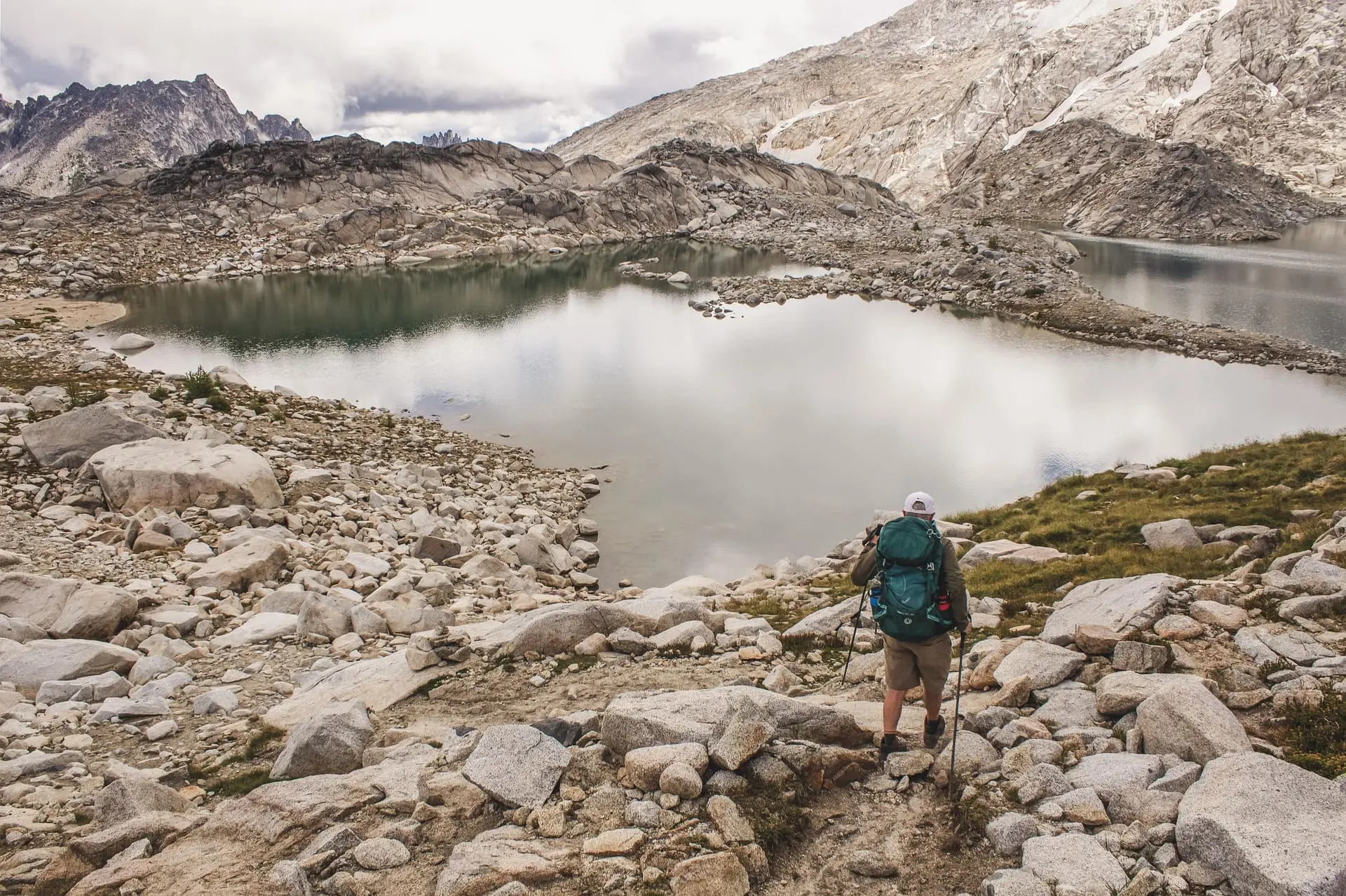
Backcountry camping in Alberta covers a wide range of experiences. Some sites sit a short, flat walk from a parking lot. Others require hours of hiking with a fully loaded pack and a river crossing partway through. Both count as backcountry, but they demand completely different levels of preparation.
For first-timers, especially those traveling with children, look specifically for sites labeled as walk-in or equestrian-accessible rather than true wilderness routes. These sites typically sit within a couple of kilometers of a trailhead, which keeps the hike manageable while still giving you the backcountry experience: no running water, no power, and often no cell signal.
Backcountry Camping Options in Alberta by Experience Level
| Type | Distance from Trailhead | Facilities | Best For |
|---|---|---|---|
| Walk-in campgrounds | Under 3 km | Pit toilet, bear cache | First-timers, families |
| Equestrian/random camping | Varies | None to minimal | Experienced campers |
| True wilderness backcountry | 5+ km, multi-day | None | Experienced backpackers |
Permits and Reservations
Alberta Parks and Parks Canada both require permits for most backcountry sites, and the process differs depending on whether you’re heading into a provincial park or a national park like Banff or Jasper. Reservations for popular routes open months in advance and fill quickly, particularly for anything within a day’s drive of Calgary or Edmonton.
You can check current permit requirements and book directly through the official Alberta Parks reservation system or, for national park sites, through Parks Canada’s backcountry permit portal.
⚠️ Heads up: Permit systems for national park backcountry sites often work differently from Alberta Parks provincial sites. Double-check which system applies to your specific route before you assume your booking went through.
The Bathroom Problem Nobody Talks About
Most backcountry sites in Alberta provide a pit toilet, sometimes nothing more than a wooden box over a hole in the ground, set some distance from the campsites for obvious reasons. That distance is exactly what makes it hard for kids after dark.
We didn’t think much about this until our first night, when our youngest flatly refused to walk the path to the outhouse once the sun went down. No amount of flashlights or reassurance changed her mind. The fix turned out to be simple: a collapsible portable toilet, set up in the tent’s vestibule for nighttime use only. During the day, everyone used the pit toilet as usual. At night, nobody had to leave the tent.
If you’re bringing young kids into the backcountry, I’d consider this close to essential gear rather than a nice-to-have. A few practical notes if you go this route:
- Pack waste bags designed for portable toilets, not just any plastic bag. They seal better and handle odor far more effectively.
- Set the toilet up in the vestibule, not the sleeping area, so it stays accessible without taking up space where anyone sleeps.
- Pack it out properly. Alberta’s backcountry leave-no-trace rules apply to portable toilet waste too, so plan for how you’ll carry it out before you leave home, not after you arrive.
Wildlife Precautions
Bears, both black bears and grizzlies, live throughout Alberta’s backcountry, and proper food storage isn’t optional. Most designated backcountry campgrounds provide a bear cache or bear pole for hanging food, and you should use it every single night, even if nothing happened the night before.
Carry bear spray, know how to use it before you need it, and make noise while hiking, especially near water or in dense brush where visibility drops. Elk and moose also pose a real risk during certain seasons, particularly in the fall rut, so keep a respectful distance no matter how calm they look.
What Nights Are Actually Like
Nights in the Alberta backcountry swing between two extremes, and both caught us off guard.
The first extreme is the noise. Wind moves differently through mountain valleys than it does anywhere else we’d camped, and on one particularly rough night, our tent shook hard enough that sleep became close to impossible. The fly snapped against the poles for hours. Nobody in our tent got much rest.
The second extreme showed up right after, and it made the rough night worth it. I woke up before dawn, unzipped the tent, and stepped outside to more stars than I’d ever seen in one sky. No light pollution for miles. No haze. Just an overwhelming number of stars stacked on top of each other in a way that photos never quite capture. That single moment is the reason we keep going back, rough nights and all.
If you’re bringing kids, consider waking them for this too, even briefly. A five-minute look at a truly dark sky tends to stick with a kid far longer than most of the hike does.
What to Pack
Beyond the standard backcountry list (tent, sleeping bags rated for mountain temperatures, a reliable water filter, and bear spray), a few things matter more than people expect for family trips specifically:
A portable toilet setup, as covered above, if you’re bringing young children. A headlamp for every person old enough to carry one, since shared flashlights create arguments at exactly the wrong moment. Extra layers beyond what the forecast suggests, since mountain nights drop temperatures fast regardless of the daytime high.
Final Thoughts
Backcountry camping in Alberta with kids takes more planning than a standard car camping trip, but the payoff runs deeper too. Start with a walk-in site close to a trailhead, sort out your permits early, plan for the bathroom situation before it becomes a nighttime crisis, and take proper bear precautions seriously every single night. The rough nights happen. So do the mornings that make you forget about them entirely.
If you’re planning trips outside Alberta, check out our guides to camping in Ontario’s provincial parks and family-friendly campgrounds in British Columbia for a look at what camping looks like in other parts of Canada.